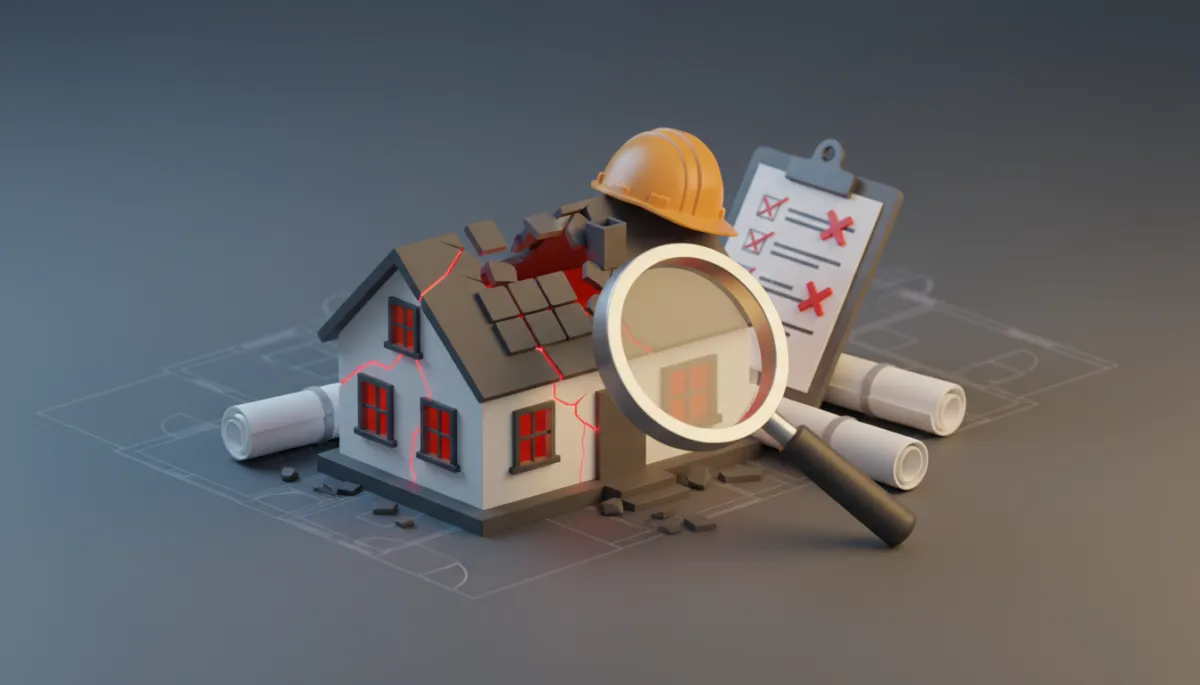
Handling Major Issues in Home Inspections
Real Estate, Home Inspections
What Happens When a Home Inspection Finds Major Problems?
A home inspection can be the most nerve‑wracking part of a real estate deal. When the report reveals serious issues, it doesn’t always mean the deal is dead but it does change the conversation. Here’s what really happens when a home inspection finds major problems, and how buyers and sellers can move forward wisely.
What Counts as a “Major” Problem in a Home Inspection?
Not every defect in an inspection report is a crisis. Peeling paint and a dripping faucet are minor concerns. Major problems are issues that affect the home’s safety, structure, or livability, or that are very expensive to fix. Common examples include:
Significant foundation movement, large cracks, or structural instability
Old, failing, or unsafe electrical systems that pose fire risks
Roofs at end of life, major leaks, or widespread water intrusion
Active plumbing leaks, sewer line issues, or mold caused by moisture
Serious HVAC problems, such as a dead furnace in a cold climate
When these types of problems appear, both parties need to pause and reassess the deal with clear information and realistic expectations.
Step 1: Review the Report Calmly and Ask Questions
The first reaction to a long inspection report is often panic. Before making any big decisions, take time to:
Read the entire report, not just the summary or highlighted items.
Schedule a call with the inspector to clarify the severity of each major issue.
Separate cosmetic concerns from true safety or structural problems.
💡 Pro Tip: Ask the inspector which items they would consider “deal breakers” if they were buying the home themselves. Their perspective can help you prioritize.
Step 2: Get Specialist Opinions and Repair Estimates
Inspectors identify problems, but they usually don’t quote repair costs. When major issues appear, the next move is to bring in qualified specialists such as structural engineers, licensed electricians, roofers, or plumbers to:
Confirm the inspector’s findings and rule out misunderstandings
Provide written opinions on urgency and long‑term impact
Prepare itemized repair estimates you can use in negotiations

Detailed estimates turn an alarming inspection report into concrete negotiation points.
This stage is critical. A “scary” problem might turn out to be manageable and an issue that looks small could carry a big price tag. Solid estimates keep both buyer and seller grounded in reality instead of guesswork.
Step 3: Renegotiation Options for Buyers and Sellers
Once everyone understands the scope and cost of repairs, the next question is: now what? In most contracts, the inspection period allows buyers to request changes. Common paths include:
1. Seller Agrees to Make Repairs Before Closing
The seller may hire licensed professionals to fix major issues prior to closing. Buyers should request:
Receipts and warranties for all completed work
Final inspections or re‑inspections to confirm repairs were done properly
2. Price Reduction or Closing Credit
Instead of doing the work themselves, sellers might offer a lower purchase price or a credit at closing so the buyer can handle repairs after moving in. This option can be attractive when:
The buyer wants control over materials, contractors, and timelines
Work cannot realistically be completed before the scheduled closing date
3. A Mix of Repairs and Financial Concessions
Many deals land somewhere in the middle: the seller tackles the most urgent safety issues, and the buyer accepts a credit or price adjustment for the rest. The goal is a compromise that feels fair to both sides based on the home’s condition and the local market.
4. Walking Away from the Deal
Sometimes, the problems are simply too extensive or too costly. If the contract includes an inspection contingency, the buyer can usually cancel within the allowed timeframe and recover their earnest money deposit. This may be the wisest choice when:
Repairs exceed the buyer’s budget or comfort level with risk
Major issues were not disclosed and trust between parties has broken down
📌 Key Takeaway: A serious inspection report doesn’t automatically kill a sale, but it almost always changes the terms. The contract’s inspection and repair clauses guide what’s possible.
How Major Findings Affect Sellers Going Forward
If a deal falls apart after an inspection, sellers don’t simply “reset” and pretend the report never happened. In many areas, they are legally required to disclose known material defects to future buyers. That means:
Ignoring major problems can make the home harder to sell later
Proactively repairing issues and documenting the work can restore buyer confidence
In a strong seller’s market, some buyers may still be willing to accept a home “as is” with full disclosure. In a slower market, significant defects almost always lead to lower offers or longer time on the market if they remain unaddressed.
Protecting Yourself Before and After the Inspection
Whether you’re buying or selling, you can prepare for the possibility of major inspection findings:
Buyers: Include a clear inspection contingency and understand your deadlines to request repairs or cancel.
Sellers: Consider a pre‑listing inspection to uncover big issues early and decide what to fix.
Both: Work closely with your real estate agent and, when needed, legal or financial professionals to understand your options.
When a home inspection uncovers major problems, it can feel like everything is falling apart. In reality, the inspection is doing its job: revealing the true condition of the property so you can make informed decisions. With calm review, expert opinions, and thoughtful negotiation, many deals still move forward on terms that reflect the real home you’re buying or selling.


