
Helping Kids Adjust After a Move: Tips for Parents
Parenting, Family Life, Moving with Kids
How Do You Help Kids Adjust After a Move?
Moving can feel exciting, overwhelming, and a little scary for children. With patience, structure, and empathy, you can turn this big life change into an opportunity for growth and resilience.
Start by Acknowledging Their Feelings
Before you unpack a single box, make space for your child’s emotions. Moving often means leaving behind friends, familiar streets, and favorite routines. Children may feel sad, angry, anxious, or even guilty for not feeling “excited enough” about the new home. Let them know every feeling is valid and welcome.
Use simple, open-ended questions like, “What feels hardest about the move right now?” and reflect back what you hear: “You really miss your old school and playground. That makes sense.” This kind of validation tells kids they don’t have to “be brave” by themselves; you are in it with them.
💡 Pro Tip: Avoid rushing to “fix” feelings with quick positives. Sit with the hard emotions first, then gently introduce hopeful possibilities.
Rebuild Routine as Quickly as You Can
Change is exhausting for kids. Predictable routines act like anchors in the middle of all that newness. You don’t need a perfectly organized house before you create structure. Focus on re-establishing a few key rhythms that signal safety and normalcy, even while the boxes are still stacked in the hallway.
Keep wake-up and bedtime as close as possible to the old schedule.
Recreate familiar rituals: a bedtime story, Friday pizza night, or Saturday pancakes.
Designate a regular homework or quiet-time spot, even if it’s temporary.
When children can predict what happens next, they feel more in control, which softens the stress of a new environment. Even small routines like always unpacking backpacks in the same place signal, “This is home now, and you’re safe here.”
Give Them Ownership of Their New Space
One of the most powerful ways to help kids adjust is to let them shape their new surroundings. Even small choices can make a big difference. Ask how they’d like to arrange their room, which favorite toys or books should be unpacked first, or what color storage bins they’d like for their shelves.
If possible, prioritize setting up their bedroom before other areas of the house. Hang a familiar poster, place their favorite stuffed animal on the bed, and put a few well-loved items where they can see and reach them. These visual cues whisper, “You belong here.”
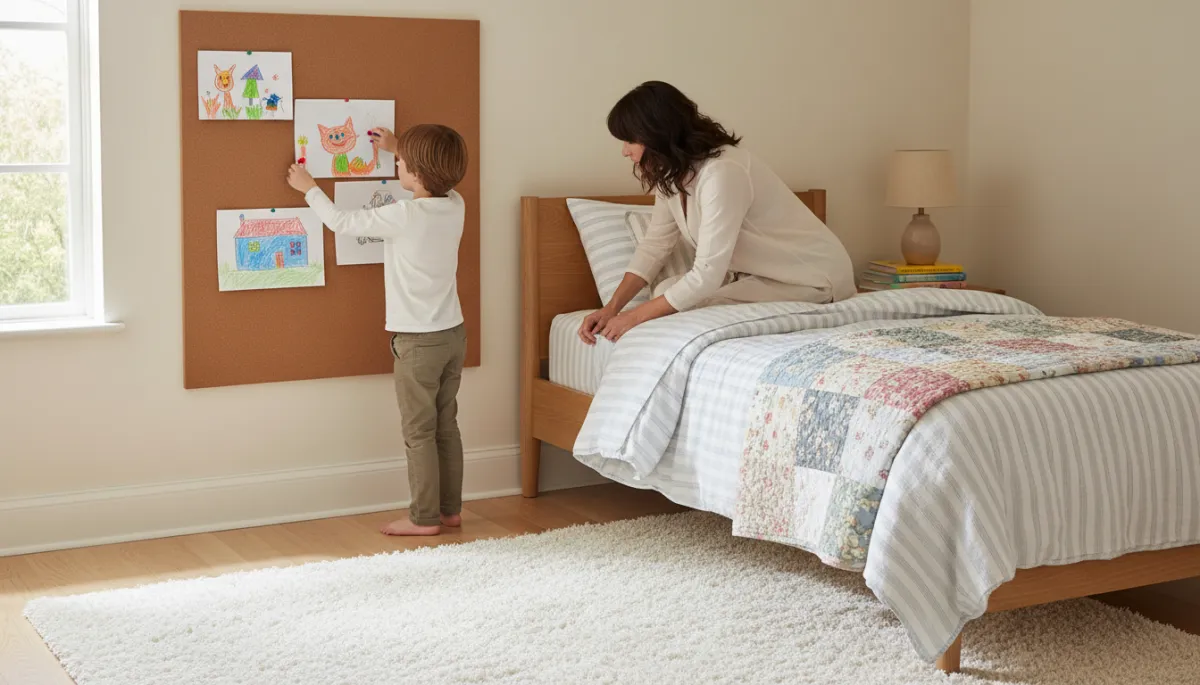
Letting kids personalize their room turns a strange space into a comforting retreat.
Keep Old Connections Alive While Building New Ones
Adjusting doesn’t mean forgetting. Help your child stay connected to the people and places they left behind. Schedule video calls with old friends, encourage letter-writing or drawing pictures to mail, and look through photos together when they feel nostalgic. This reassures them that their “old life” isn’t erased; it’s part of their story.
At the same time, gently open doors to new relationships. Visit local playgrounds, libraries, or community centers. Sign up for age-appropriate activities sports teams, art classes, or clubs where friendships can grow naturally over time. Be patient; some children warm up slowly, and that’s okay. Your consistent presence is the most important social anchor they have.
Prepare Them for School and the Neighborhood
New schools and neighborhoods can feel huge and intimidating. Whenever possible, visit the school together before their first day. Walk the halls, find the classroom, and explore the playground. If you can, introduce your child to their teacher or a school counselor so they see at least one familiar face when they arrive for real.
Practice the route to school or the bus stop a few times in advance.
Walk around the neighborhood, pointing out parks, shops, and safe places to ask for help if needed.
Role-play introductions so they feel more confident meeting classmates.
Turning the unknown into something explored and discussed reduces fear. It also gives you a chance to answer questions and clear up any worries before they grow in your child’s imagination.
Watch for Signs They Need Extra Support
Some bumps are normal clinginess, sleep disruptions, or temporary behavior regressions often show up after a move. These usually ease as routines settle and your child feels more secure. Still, it’s important to pay attention to patterns: ongoing withdrawal, frequent stomachaches or headaches, persistent trouble sleeping, or big changes in appetite or mood can signal that they’re struggling more deeply.
If you’re concerned, reach out to a school counselor, pediatrician, or child therapist. Professional support can give both you and your child additional tools to navigate the transition. Asking for help doesn’t mean you’re failing; it means you’re taking their emotional world seriously.
Be Patient with Them and with Yourself
Adjusting after a move is not a one-week project; it’s a gradual process. Some children bounce back quickly, while others take months to fully settle in. There will be good days and hard days, moments of excitement and waves of homesickness. Your steady presence, calm reassurance, and willingness to listen are what matter most over time.
As you unpack boxes and discover new routines, remember that you’re building more than a house you’re building a sense of home. When kids feel seen, heard, and included in the journey, a new place can become not just where they live, but where they truly belong.
📌 Ready to Talk Strategy in Warren County?
Connect with John Meier at Westplex Real Estate for a no‑pressure conversation about selling your home in Warrenton, Truesdale, or Wright City.
📞 (636) 242-5365
🌐 JohnMeierSells.com


