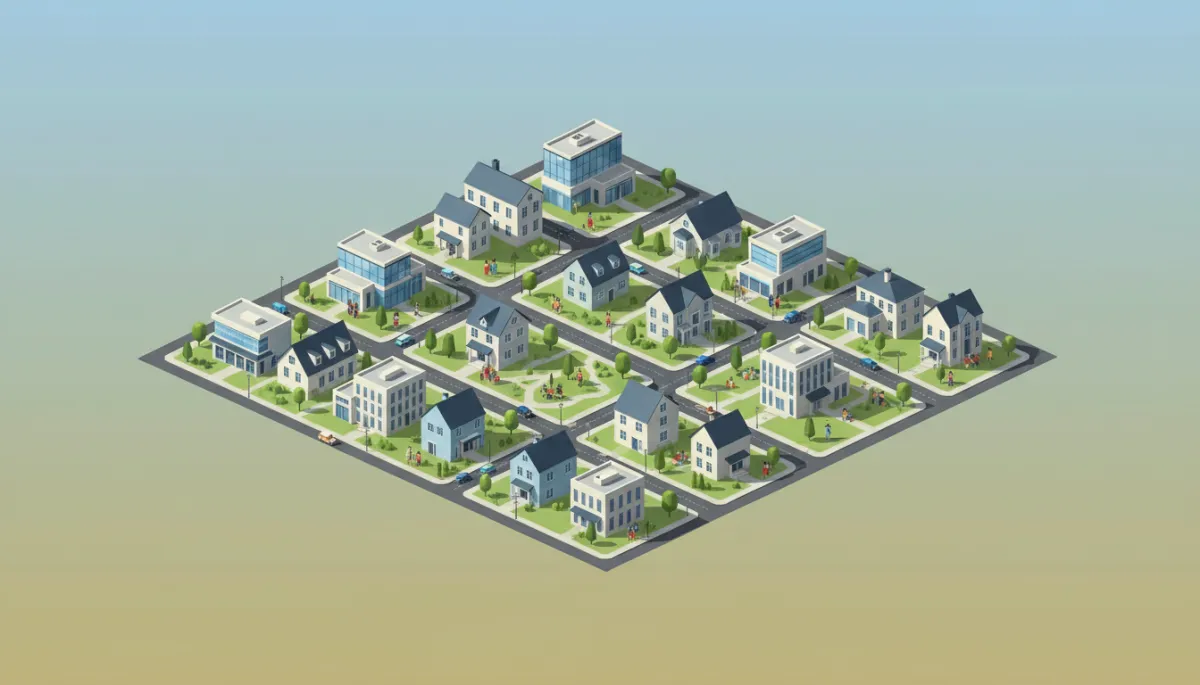
Identify Top Investment Neighborhoods
Real Estate, Property Investment
What Makes a Good Investment Neighborhood?
Choosing the right neighborhood can make or break your real estate investment. Beyond the property itself, the area around it drives demand, rental income, and long‑term value. Here is how to recognize a truly strong investment neighborhood before you buy.
Strong, Diverse Local Economy
A good investment neighborhood sits on top of a healthy local economy. Look for areas with multiple employment hubs rather than a single dominant employer. Hospitals, universities, logistics centers, tech parks, and government offices all help keep demand steady, even when one sector slows down. Consistent job growth usually translates into stable or rising rents and lower vacancy risk for investors.
Population Growth and Tenant Demand
Neighborhoods where people want to live are neighborhoods where investors want to own. Track population trends, household formation, and rental occupancy rates. Areas attracting young professionals, families, or downsizing retirees often show strong tenant demand across different property types. High occupancy and short days-on-market are practical signs that your future rental will not sit empty for long.
Accessibility, Transport, and Walkability
Easy access is a major value driver. Tenants and buyers pay a premium to be close to what they need every day: public transit, major roads, employment centers, and essential services. Walkable streets, bike paths, and nearby grocery stores or cafes make a neighborhood more livable and reduce day‑to‑day friction. When you visit, pay attention to commute options, traffic flow, and how quickly you can reach schools, hospitals, and shopping areas.
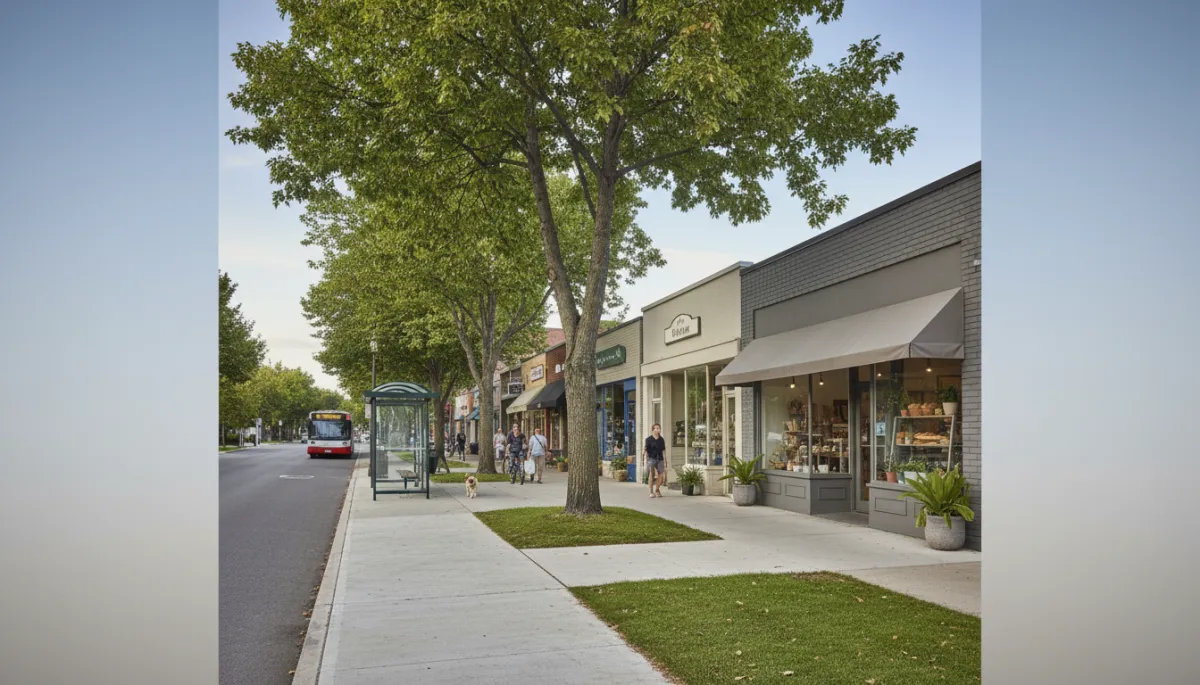
Neighborhoods with convenient transport and daily amenities attract long‑term, reliable tenants.
Safety, Appearance, and Community Pride
Safety is non‑negotiable for residents and investors alike. Review public crime statistics, but also walk the streets at different times of day. Well‑kept yards, clean sidewalks, working streetlights, and limited vacant buildings are signs of community pride. Active neighborhood associations, local events, and visible families out walking or playing in parks all hint that people feel comfortable and invested in where they live.
Schools, Parks, and Everyday Amenities
Even if you do not plan to rent to families, strong schools and green spaces protect long‑term property values. Good school ratings, nearby playgrounds, sports fields, and community centers all broaden your tenant pool and make your property easier to re‑sell. Add in grocery stores, pharmacies, gyms, and casual dining within a short drive or walk, and you have a well‑rounded lifestyle offering that tenants are willing to pay for.
Balanced Prices and Future Upside
A good investment neighborhood is not always the most expensive part of town. Often, the best opportunities sit just outside prime areas, where prices are still reasonable but positive changes are underway. Watch for new infrastructure, planned transit lines, or commercial developments that can lift demand over time. At the same time, run the numbers carefully: rental income should comfortably cover expenses, with room for vacancies, maintenance, and rising interest rates.
📌 Key Takeaway: The best investment neighborhoods combine solid fundamentals today with clear signs of future growth, not just hype or speculation.
Put Your Neighborhood Checklist to Work
Understanding what makes a good investment neighborhood helps you look beyond glossy listings and focus on fundamentals that protect your capital. Evaluate local jobs, population trends, transport, safety, amenities, and pricing before you commit. By doing so, you position yourself for stronger cash flow today and healthier appreciation tomorrow.
John Meier is a local real estate agent in Warrenton, MO (63383)helping sellers in Warrenton, Truesdale, and Wright City prepare their homes to shine for every showing.
Westplex Real Estate
📞(636) 242-5365
🌐JohnMeierSells.com


