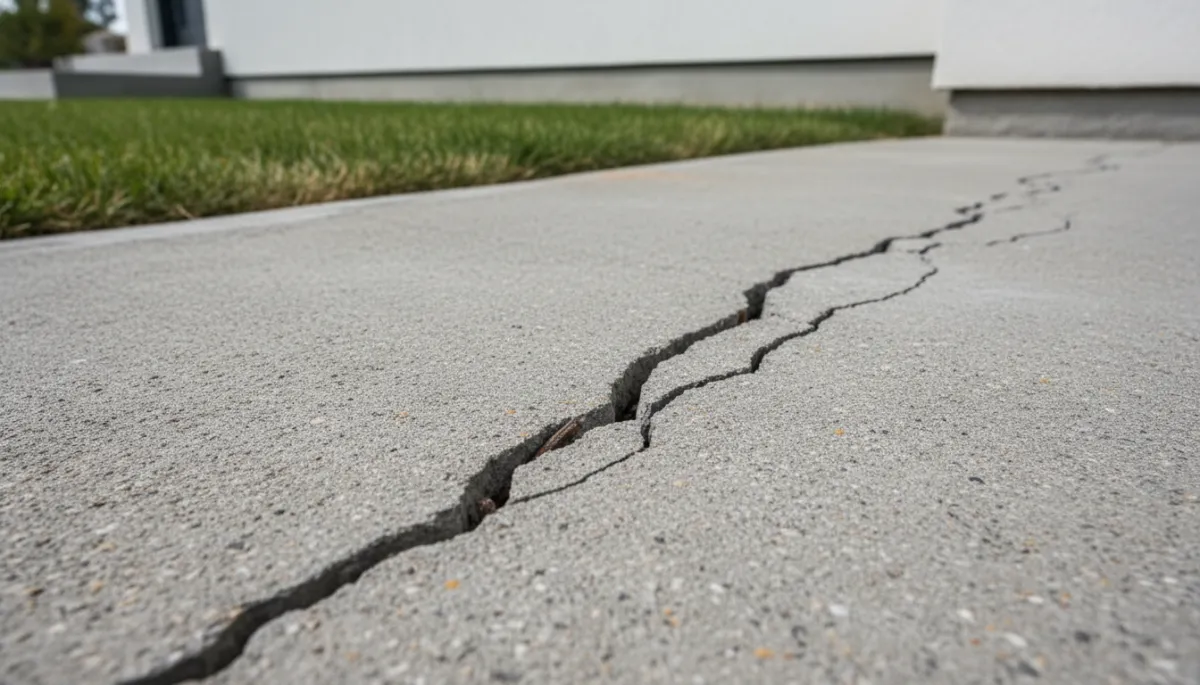
Understanding Foundation Cracks: Serious or Cosmetic?
Home Maintenance, Foundation Cracks
How Serious Are Cracks in a Home’s Foundation?
Foundation cracks are one of the most worrying sights for homeowners. Some are harmless and cosmetic, while others can signal serious structural problems. Knowing the difference helps you act quickly, protect your investment, and avoid unnecessary panic or expensive mistakes.
Not All Foundation Cracks Mean Disaster
A home’s foundation carries the weight of the entire structure, so any crack naturally feels alarming. Yet many cracks are a normal part of a house settling into the soil over time. Concrete shrinks as it cures, temperatures change, and moisture levels in the ground rise and fall. These natural movements can create small, hairline cracks that rarely threaten the safety of the home.
The real question is not whether cracks exist, but what they look like, how they behave, and whether they’re getting worse. Paying attention to these details is the key to judging how serious a crack might be.
Types of Foundation Cracks and What They Usually Mean
While only a qualified professional can give a definitive answer, certain patterns offer helpful clues about how serious a crack may be:
Hairline vertical cracks: These thin, straight cracks running up and down are often linked to normal settling or shrinkage. If they are narrow (about the width of a credit card or less) and not changing, they’re usually more of a cosmetic concern than a structural one.
Diagonal cracks: Cracks that angle from corners or around window openings may indicate uneven settling, where one part of the foundation sinks more than another. These deserve closer attention, especially if they widen at one end or grow over time.
Horizontal cracks: Cracks that run side-to-side along a basement wall can be more serious. They may signal pressure from water-logged soil pushing against the wall. Left unaddressed, this can lead to bowing walls or even structural failure in severe cases.
Stair-step cracks in brick or block: When cracks follow the mortar joints in a zigzag pattern, it can point to differential settlement or shifting soil. Minor stair-step cracks might be stable, but larger ones, or those accompanied by movement, should be evaluated promptly.
Warning Signs a Foundation Crack May Be Serious
Instead of focusing on the crack alone, look at the bigger picture. Cracks are more likely to be serious when they come with other symptoms around the home. Some red flags include:
Doors and windows that suddenly stick, won’t latch, or swing open on their own
Gaps forming between walls and ceilings, or between baseboards and floors
Floors that feel uneven, sloped, or bouncy as you walk across them
Cracks wider than about 1/4 inch, especially if they are jagged or changing shape
Noticeable bowing or bulging in basement or crawlspace walls
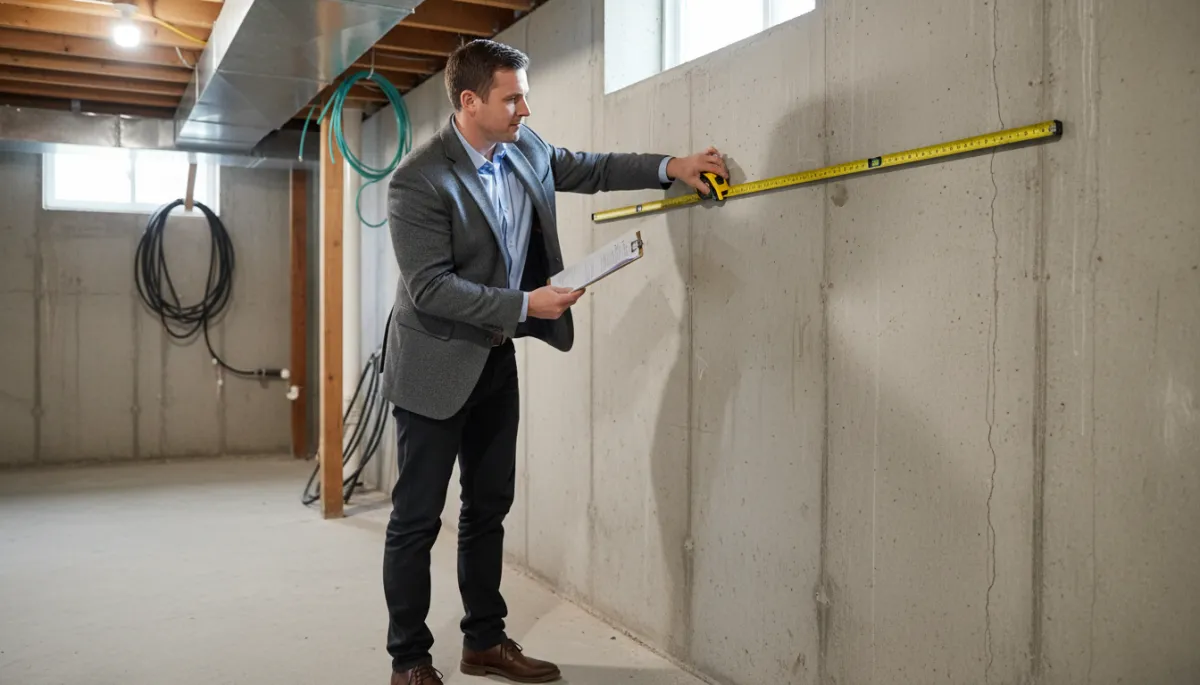
Early inspections can turn a small crack repair into a manageable project.
💡 Pro Tip: Mark the ends of a crack with a pencil and date it. If the line grows beyond your marks, it’s a clear sign to get a professional assessment.
When to Watch, When to Repair, and When to Call a Professional
Watch and monitor: Hairline vertical cracks that stay the same size over several months can often be monitored. Keep an eye on them during seasonal changes, especially after heavy rain or drought, and photograph them for comparison over time.
Repair sooner rather than later: Cracks that allow water seepage, show slight widening, or run diagonally or horizontally usually deserve prompt attention. Even if the structure is still sound, sealing and stabilizing early can prevent moisture damage, mold growth, and more costly structural repairs down the road.
Call a professional immediately: If you notice wide or rapidly growing cracks, significant wall bowing, major changes in how doors and windows operate, or any sudden shift after a storm, flood, or nearby construction, contact a qualified foundation specialist or structural engineer. They can determine whether underpinning, wall reinforcement, drainage improvements, or other solutions are needed to protect the home.
The Bottom Line: How Serious Are Foundation Cracks?
Foundation cracks fall on a spectrum. At one end are harmless, cosmetic lines that come with normal settling. At the other are structural cracks that signal shifting soil, water pressure, or weakened support. The seriousness depends on the size, direction, location, and behavior over time of each crack, as well as the overall condition of the home.
You don’t need to panic at the first sign of a crack, but you also shouldn’t ignore it. By paying attention early, documenting changes, and seeking professional guidance when something seems off, you can address problems while they’re still manageable and keep your home safe, stable, and comfortable for years to come.


