
Are You Financially Ready to Buy a Home?
Real Estate, Home Buying, Financial Readiness
How Do You Know If You Are Financially Ready to Buy?
Deciding to buy a home is exciting, but it is also one of the biggest financial choices you will ever make. Understanding whether you are truly ready on paper not just emotionally can help you move forward with confidence instead of stress.
1. Your Budget Is Clear and Realistic
Being financially ready starts with knowing exactly what you can afford each month without stretching yourself too thin. This means looking beyond the listing price and considering your full monthly payment, including principal, interest, taxes, insurance, and possibly HOA fees. A common guideline is to keep your total housing costs around 25%–30% of your gross monthly income, but the right number also depends on your comfort level and lifestyle.
If you have created a detailed budget, accounted for your regular expenses, and still have room for savings and fun money after estimating a mortgage payment, that is a strong sign you are getting close to being ready to buy.
2. You Have Money Set Aside for Upfront Costs
A down payment is only part of the picture. To be financially prepared, you should also plan for closing costs, inspections, appraisals, and moving expenses. Depending on your loan type and price range, closing costs alone can often run between 2% and 5% of the purchase price. Having this money saved separate from your emergency fund is a major indicator that you are in a strong position to buy.
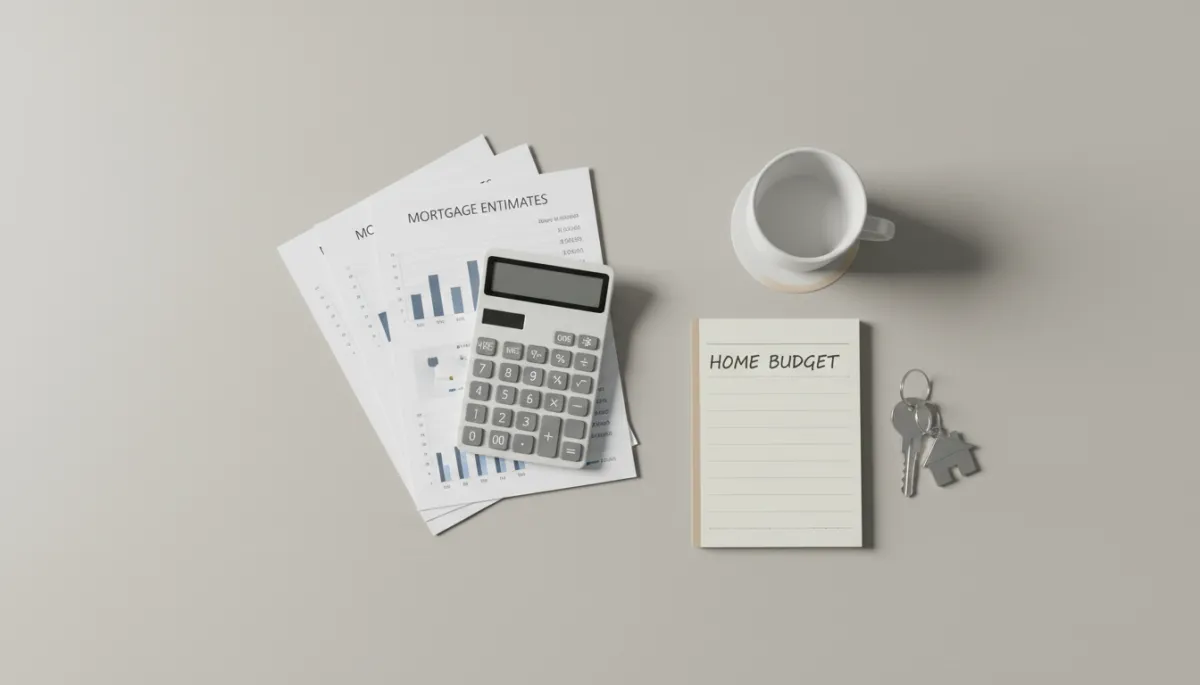
A clear savings plan for down payment and closing costs builds real confidence.
3. Your Debt and Credit Are in a Healthy Place
Lenders look closely at your debt-to-income ratio and credit score to decide how much to lend you and at what rate. If you have been paying bills on time, keeping credit card balances manageable, and reducing high-interest debt, you are likely improving both your approval odds and your long-term affordability. A stronger credit profile can mean a better interest rate, which may save you thousands over the life of your loan.
You do not need perfect credit to buy a home, but having a stable payment history and a plan for any existing debts is a strong sign that you are financially ready or very close to taking the next step.
4. You Have an Emergency Cushion After You Buy
Homeownership comes with surprises: repairs, maintenance, and life events you did not see coming. Being financially ready means you are not draining every last dollar just to get the keys. Ideally, you will still have an emergency fund that covers several months of living expenses even after your down payment and closing costs are paid. This cushion can keep a leaky roof or job change from turning into a financial crisis.
5. You Have Talked Through the Numbers with a Local Expert
Online calculators are helpful, but they cannot replace a conversation with someone who understands your local market, current interest rates, and the true costs of buying in your area. A trusted real estate professional can help you align your financial picture with realistic home options, connect you with lenders, and walk you through what to expect at each step.
📌 Key Takeaway: Being financially ready is not about perfection it is about clarity, preparation, and having a plan that feels sustainable for you and your family.
Ready to Talk About Your Next Move?
If you are wondering whether now is the right time or you simply want a professional opinion on what you can comfortably afford expert guidance can make all the difference. A personalized conversation can help you understand your options, prepare for financing, and map out a strategy that fits your goals and your budget.
Contact John Meier – Westplex Real Estate today to start planning your move:
📞 Call or text: (636) 242-5365
🌐 Visit: JohnMeierSells.com
Whether you are a first-time buyer or returning to the market, John can help you review your financial readiness, connect you with trusted local lenders, and guide you toward a home purchase that feels smart today and sustainable for the long term.


