Essential Fencing Tips for Land Buyers
Real Estate, Rural Property, Land Buying Tips, Fencing
What Should You Know About Fencing Before Buying Land?
Fencing is more than just posts and wire around a boundary. Before you sign a contract on any block of land, understanding existing and potential fencing can save you money, prevent boundary disputes, and ensure the property really suits the way you plan to use it.
1. Who Actually Owns the Fence and the Boundary Line?
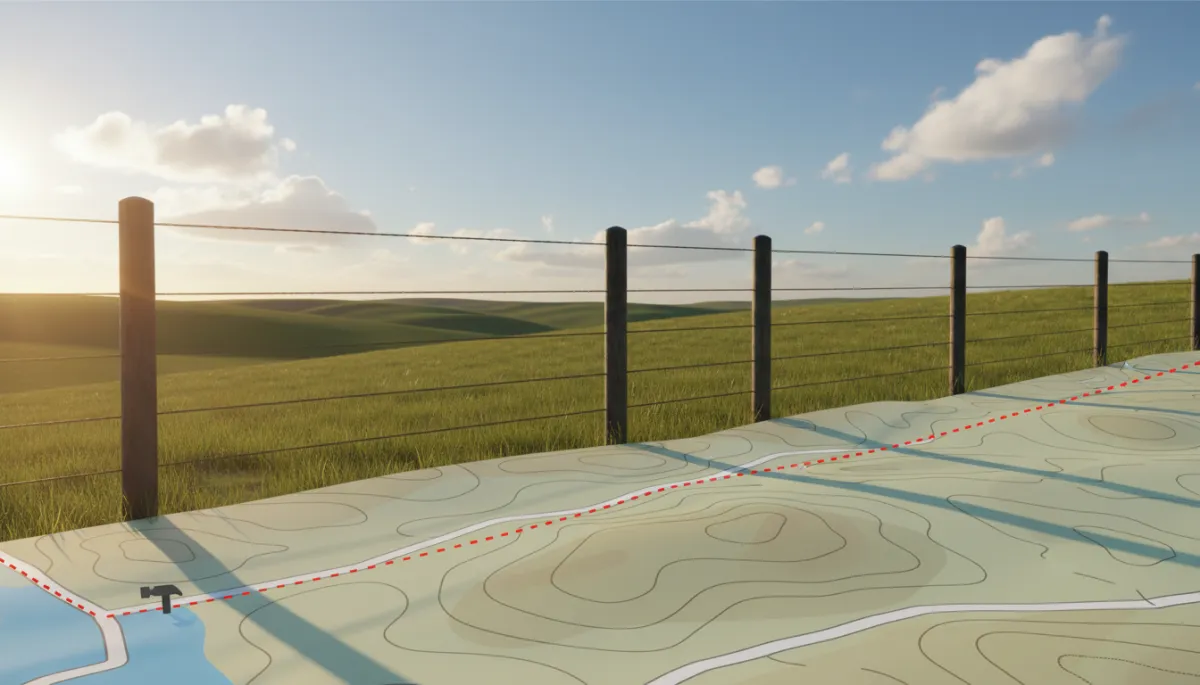
Before buying land, never assume the existing fence marks the legal boundary. In many rural and semi-rural areas, fences were built for convenience, not precision. Ask for documentation early so you are not relying on guesswork or neighbourly assumptions. Ask for:
The current survey plan or plat map from the seller or agent.
Any easements or right-of-way that may cut across fenced areas.
Written clarification of which fences are on the boundary and which are internal or belong to neighbours.
If boundaries are unclear, consider commissioning a licensed surveyor before settlement. Correcting a misplaced fence after purchase can be expensive and can strain relationships with adjoining owners.
2. Local Laws and Shared Fencing Responsibilities
Fencing is often governed by state, provincial, or council regulations. These rules may cover height limits, materials, setbacks, and who pays for boundary fences. Before buying, find out:
Whether neighbours are legally required to share costs for new or repaired boundary fences.
If there are any zoning rules about fence style or maximum height, especially near roads or waterways.
Whether permits are required for certain types of fencing, such as tall privacy fences or security fencing.
💡 Pro Tip: Call the local planning or zoning office before you make an offer. A five-minute conversation can reveal restrictions that would completely change your fencing plans and costs.
3. Matching Fence Type to How You’ll Use the Land
The “right” fence depends heavily on your intended use. A hobby farm, a future home site, and a commercial yard all have very different fencing needs. Clarify your primary goals and then assess whether current fencing fits those plans:
Livestock: Cattle, horses, sheep, and goats each require specific fence heights, mesh sizes, and strengths to keep them contained and safe.
Privacy and security: Residential buyers may want taller, solid fences around future building envelopes, while rural buyers may prioritise perimeter security and driveway gates.
Wildlife management: In some regions, fencing must keep wildlife out (for crops and gardens) or allow safe passage for native animals.
Assess existing fences carefully; upgrading to suit your plans can be a major cost.
4. Condition, Age, and Hidden Costs of Existing Fences
A property may look “fully fenced” on the listing, but that doesn’t mean the fences are functional or compliant. During inspections, walk as much of the boundary as possible and look for:
Rotten or broken posts, loose wires, rusted mesh, and leaning sections.
Gaps under the fence where animals could escape or enter.
Homemade repairs that might not meet safety or legal standards.
Get at least a ballpark quote from a fencing contractor for any major repairs or replacements. Adding several kilometres of stock fencing or upgrading to higher-spec materials can significantly change the true cost of the land purchase.
5. Access Points, Gates, and Practical Layout
Fencing is only as practical as its gates. Before buying, check where and how you can enter and move around the land:
Is there a legal and physical access point from a public road, and is it safely positioned?
Are existing gates wide enough for machinery, trucks, or horse floats you plan to use?
Does the internal fencing layout make sense for paddock rotation, future building sites, or storage areas?
Poorly placed fences can limit where you can build, where services can be run, and how efficiently you can manage the property day to day.
6. Factoring Fencing Into Your Overall Land Budget
Finally, treat fencing as a core part of your land-buying budget, not an afterthought. Create a simple cost plan that includes:
Surveying or boundary confirmation fees.
Immediate repairs needed to make the property safe or stock-proof.
Future upgrades to align with your long-term plans for the land.
When you understand fencing requirements up front, you can compare properties more fairly, negotiate with confidence, and avoid expensive surprises after the purchase.
Bringing It All Together Before You Buy
Fencing affects boundaries, budgets, safety, and how easily you can use and enjoy your land. Before you commit to a purchase, take the time to verify boundary locations, understand local regulations, inspect existing fences, and map out the type of fencing you will truly need. With these checks done, you will walk into your land purchase with clear expectations and far fewer risks.
📌 Ready to Talk Strategy in Warren County? If you’re considering land in or around Warrenton, having a local expert in your corner can make all the difference when it comes to fencing, boundaries, and rural property details.
John Meier is a real estate agent in Warrenton, MO (63383) helping sellers in Warrenton, Truesdale, and Wright City. He understands the practical realities of rural fencing, access, and survey issues and can help you factor these into your sale or purchase strategy.
Westplex Real Estate
📞 (636) 242-5365
🌐 JohnMeierSells.com
📌 Key Takeaway: Before you buy or sell land in Warren County, have a quick strategy chat with John so your fencing plans, budget, and legal obligations are crystal clear.


