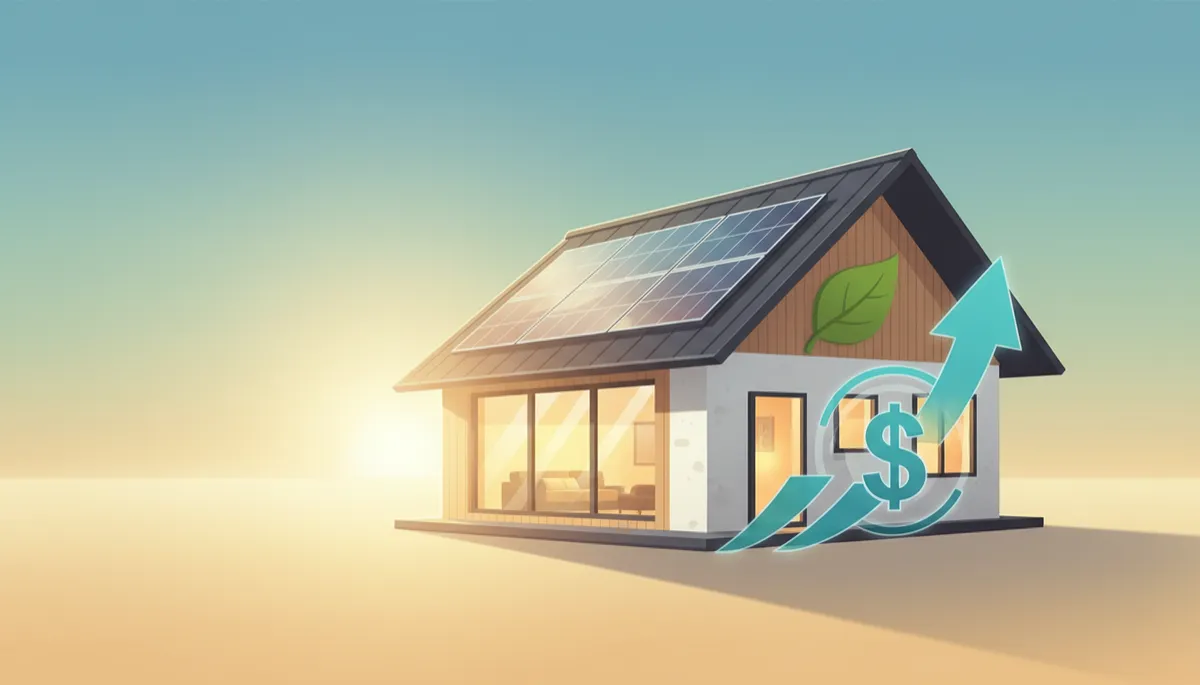
Boost Home Value with Energy-Efficient Upgrades
Real Estate, Home Improvements, Energy Efficiency
Do Energy-Efficient Improvements Make a Home More Attractive to Buyers?
As energy costs rise and environmental awareness grows, more homeowners are asking whether investing in energy-efficient upgrades actually makes their property stand out in the market. The short answer is yes but how much it matters can depend on the buyer, the local market, and the types of improvements you choose.
Why Buyers Care About Energy Efficiency
Today’s buyers are more informed than ever. They research utility costs, compare features online, and often arrive at showings with a checklist in hand. On that list, energy efficiency is moving steadily higher. There are three main reasons:
Lower monthly bills: Efficient windows, insulation, and heating and cooling systems can significantly reduce electricity and gas costs, which appeals to budget-conscious buyers.
Comfort and livability: A home that stays warm in winter and cool in summer without constant adjustments simply feels better to live in.
Sustainability values: Many buyers, especially younger generations, want their home to reflect their environmental priorities.
💡 Pro Tip: When marketing your home, don’t just say it’s “efficient” show average utility bills and highlight specific upgrades to make the benefits real.
Which Energy-Efficient Upgrades Attract Buyers Most?
Not all improvements carry the same weight with buyers. Some are highly visible and easy to understand, while others work quietly in the background. The most attractive upgrades tend to be those that buyers recognize and can immediately connect to comfort or savings:
High-performance windows and doors: Double or triple glazing, quality seals, and modern frames reduce drafts and noise—buyers notice the difference during a viewing.
Upgraded insulation: Properly insulated lofts, walls, and floors help stabilize indoor temperatures and can be highlighted in listing descriptions and home reports.
Efficient heating and cooling systems: Modern boilers, heat pumps, or high-efficiency furnaces reassure buyers that they won’t face a major replacement right after moving in.
Smart thermostats and controls: Simple, user-friendly technology that allows buyers to manage energy use from their phone is a small touch with big perceived value.
Solar panels and renewable features: In many markets, rooftop solar or solar hot water systems are eye-catching features that signal long-term savings.
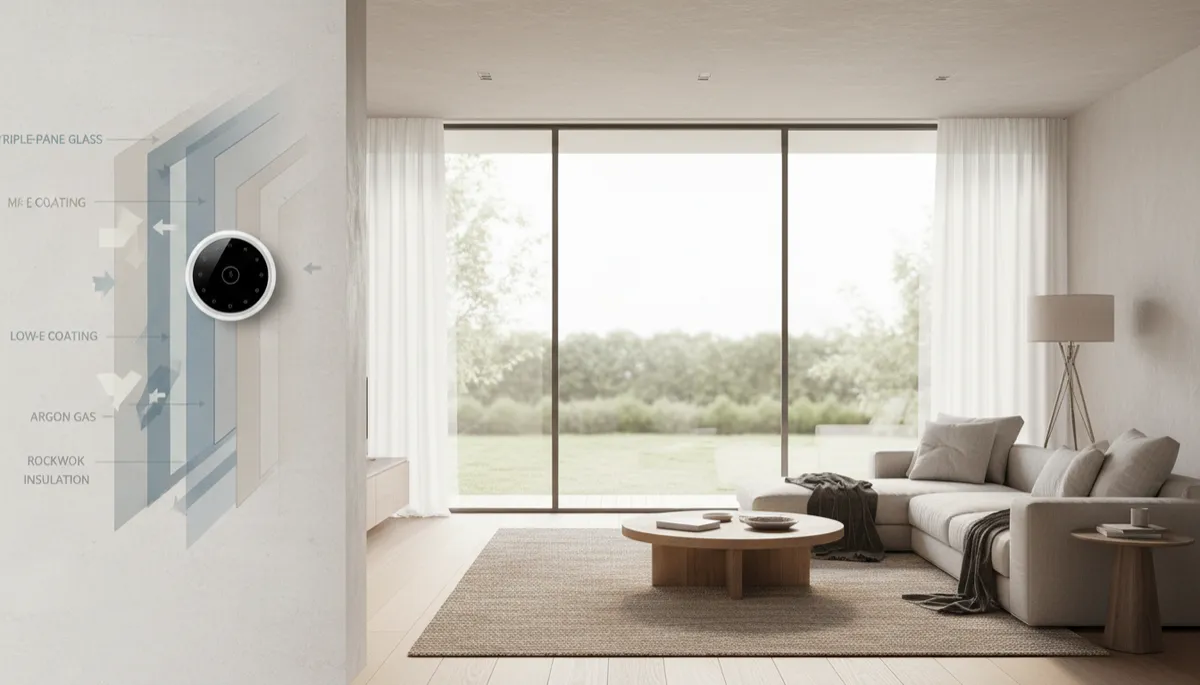
Visible upgrades like windows and smart controls help buyers picture lower running costs.
Do Energy-Efficient Homes Sell for More?
In many areas, homes with documented energy-efficient features can command a premium or sell faster than comparable properties without them. Buyers are often willing to pay slightly more upfront if they believe they will save money every month on utilities and avoid near-term replacement costs for major systems.
That said, the impact on price depends on local awareness and how well the benefits are communicated. A high-efficiency boiler hidden in a basement may not influence offers unless your listing, agent, and documentation clearly spell out what it means in practical terms. Providing energy certificates, warranties, and recent utility statements can help buyers connect the dots between features and financial advantages.
Balancing Cost, Payback, and Buyer Appeal
If you’re planning to sell in the near future, it’s important to choose improvements that make sense both financially and strategically. Focus first on cost-effective upgrades that address obvious pain points—drafty rooms, outdated heating, or single-glazed windows. These tend to offer a mix of personal comfort while you still live in the home and stronger buyer appeal when you list.
Larger investments, such as full solar installations or whole-house system replacements, may not return their full cost immediately at resale, but they can still differentiate your property in a crowded market. Talk with a local real estate professional about which features buyers in your area ask for most often, and prioritize accordingly.
📌 Key Takeaway: Energy-efficient improvements generally make a home more attractive to buyers especially when upgrades are visible, well-documented, and clearly linked to comfort and savings.
Ultimately, energy-efficient improvements are about more than just technology. They tell buyers that a home has been thoughtfully maintained, that running costs have been considered, and that they can move in with fewer worries about surprise expenses. In a competitive market, that peace of mind can be a powerful selling point.


