
Should You Empty an Inherited House Before Selling?
Real Estate, Inherited Property
Should You Empty an Inherited House Before Selling It?
Inheriting a home can be both a gift and an emotional burden. One of the first big questions many heirs face is whether they should completely empty the house before putting it on the market. The right decision depends on your timeline, budget, and the home’s condition and on what will make the process less overwhelming for you and your family.
What Does “Emptying” an Inherited House Really Mean?
Emptying a home can range from removing only personal belongings like clothing, photos, and paperwork to clearing out every last piece of furniture. Many sellers assume they must hand over a completely vacant property, but that is not always necessary or even ideal. Sometimes, leaving select furniture for staging can help buyers imagine living there, while in other cases a clean, empty space is more appealing.
Pros of Emptying the House Before Selling
For many heirs, a fully cleared property feels like a fresh start. There are several practical advantages to emptying the house before listing it for sale:
Simpler inspections and repairs: Contractors and inspectors can easily access walls, floors, and systems when rooms are empty, making it easier to identify issues and complete work quickly.
Less emotional strain during showings: Removing personal items especially sentimental ones—can make it less painful to have strangers walking through the home and commenting on it.
Clear expectations for buyers: An empty house shows exactly what buyers are getting. There is no confusion about which items stay or go, and the property can feel more like a blank canvas.
In some markets, vacant homes also make scheduling easier. You can offer flexible showings without coordinating around tenants or family members still using the space, which can attract more potential buyers in a shorter time frame.
Cons of Emptying the House Too Quickly
On the other hand, rushing to clear everything out can create new challenges. Before you call a clean-out crew, consider the potential downsides:
Cost of removal and disposal: Hauling away furniture, old appliances, and clutter can add up. Estate clean-out services, dumpsters, and donation pick-ups all involve time and sometimes significant expense.
Risk of discarding valuable items: In the rush to empty the property, families sometimes throw away documents, collectibles, or antiques that have real financial or sentimental value.
Vacant-home concerns: Completely empty homes can feel cold in listing photos and may be more vulnerable to vandalism or unnoticed maintenance issues if no one is visiting regularly.
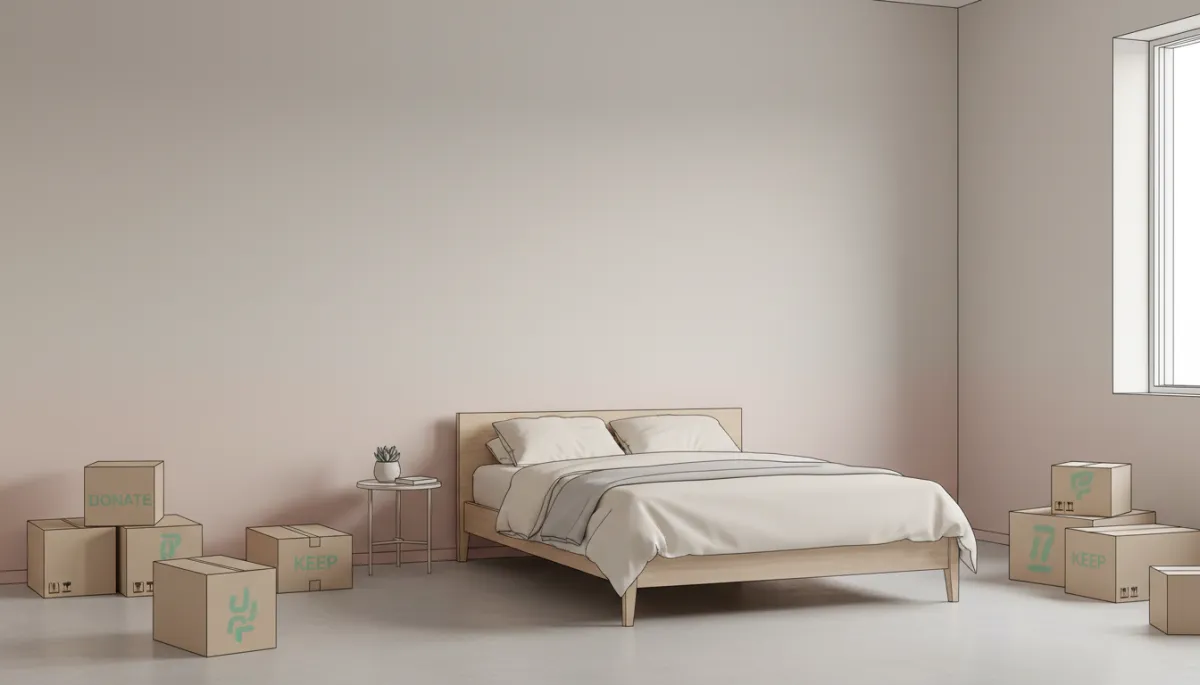
A room-by-room sorting system helps families balance emotion, value, and time.
When a Fully Empty House Makes the Most Sense
There are situations where clearing everything out before listing is clearly the best option. If the home is dated, crowded with belongings, or in need of significant repairs, an empty space allows buyers and contractors to better see its potential. Investors, flippers, and buyers planning major renovations often prefer a vacant property they can access freely and remodel without delay.
A fully empty house can also be wise if multiple heirs are involved and there is disagreement over who gets what. Completing the sorting, distributing, and donating phase before the sale can prevent last-minute conflicts and make closing smoother for everyone.
When Leaving Some Furniture Can Help You Sell
In other cases, a lightly furnished home shows better than a completely empty one. If the property is in good condition and the existing furniture is neutral and in decent shape, you may be able to use it for basic staging. A sofa, dining table, and a few bedroom pieces can help buyers understand room sizes and imagine how their own furniture might fit.
You can also work with a real estate agent or professional stager to decide which items to keep temporarily and which to remove. They may suggest packing away personal photos, collections, and very dated pieces while keeping just enough to give the home warmth and character without feeling cluttered or overly personal.
💡 Pro Tip: If you plan to leave any furniture in place, list those items clearly in the purchase agreement so buyers know exactly what is included in the sale.
A Step-by-Step Approach to Deciding What to Do
Start with legal and financial guidance. Confirm your responsibilities as an heir, any outstanding debts tied to the property, and whether there are instructions in the will about personal items or specific bequests.
Walk through with a real estate professional. Ask an agent experienced with inherited homes how the property would show best in your local market vacant, partially furnished, or fully staged.
Create clear categories: “Keep,” “Offer to family,” “Sell,” “Donate,” and “Dispose.” This structure keeps decision-making from feeling chaotic when emotions are high.
Prioritize important documents and valuables. Secure financial records, legal papers, jewelry, and collectibles before bringing in any clean-out or donation services.
Decide on a timeline. If holding the property is expensive or stressful, a quicker, more thorough clean-out may be worth the cost. If you have more time, a gradual approach can reduce pressure and help you make thoughtful choices.
Finding the Right Balance for Your Situation
There is no one-size-fits-all rule about emptying an inherited house before selling. The best approach is usually a balanced one: remove personal and highly emotional items, keep or add just enough furniture to help the home show well, and lean on professionals for guidance when you feel stuck. Whether you choose a completely vacant property or a gently staged one, the goal is the same to honor your loved one’s home while setting yourself up for a smooth, successful sale.
📌 Next Step: Contact John Meier – Westplex Real Estate today to start planning your move:
📞 Call or text: (636) 242-5365
🌐 Visit:JohnMeierSells.com


