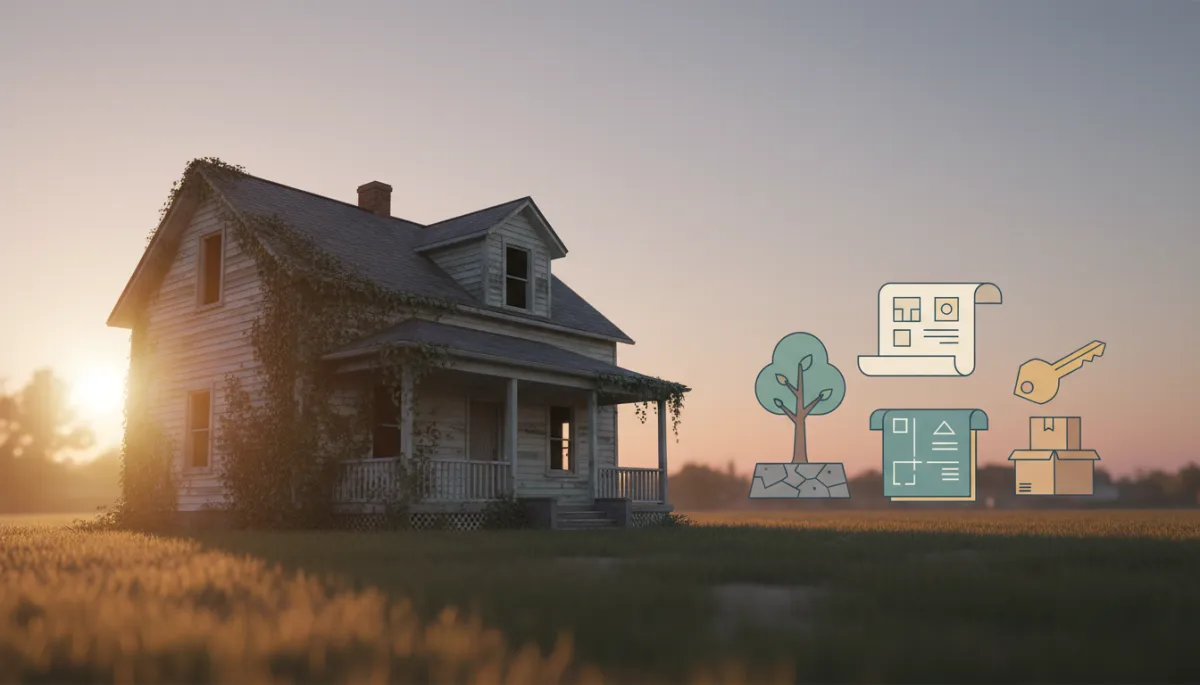
What to Do With an Empty House: Smart Solutions
Real Estate, Home Ownership
What Should You Do With a House That's Been Sitting Empty?
An empty house can feel like a burden, a missed opportunity, or a bit of both. Whether you inherited a property, moved away, or simply never got around to dealing with it, there are smart, practical steps you can take to protect its value and even turn it into an asset.
Start With a Safety and Condition Check
The longer a house sits empty, the more vulnerable it becomes to unnoticed damage. Before you make any big decisions, schedule a thorough walk-through and, ideally, a professional inspection. Look for signs of leaks, mold, pest activity, roof issues, and foundation cracks. Even small problems can escalate quickly when no one is living there to spot them early.
💡 Pro Tip: If you live out of town, hire a local property manager or trusted handyman to perform quarterly checkups and send photos and notes.
Secure the Property and Update Insurance
Vacant homes can attract break-ins, vandalism, or squatters. Change the locks, add deadbolts if needed, and consider motion-sensor lighting and a basic security system. Keep blinds partly closed but not fully shut so the house doesn’t look obviously abandoned from the street. Ask a neighbor to collect flyers or packages so they don’t pile up at the door.
Just as important, review your insurance policy. Many standard homeowner policies change coverage once a property is considered “vacant” or “unoccupied” for a certain number of days. You may need a special vacant home policy to stay properly protected against fire, weather damage, or liability issues.
Keep Up With Basic Maintenance and Utilities
Even if no one is living there, the house still needs regular care. Mow the lawn, trim shrubs, clear gutters, and remove debris. A neglected exterior not only hurts curb appeal but can also invite city code violations and neighbor complaints. Inside, keep the heat at a low but safe setting in winter to prevent frozen pipes, and maintain minimal cooling or ventilation in summer to avoid humidity and mold problems.
You don’t need every utility running at full capacity, but shutting everything off completely can be risky. Often, it’s wiser to keep water, electricity, and basic climate control on at a reduced level so the home stays dry, temperate, and functional for showings or future use.
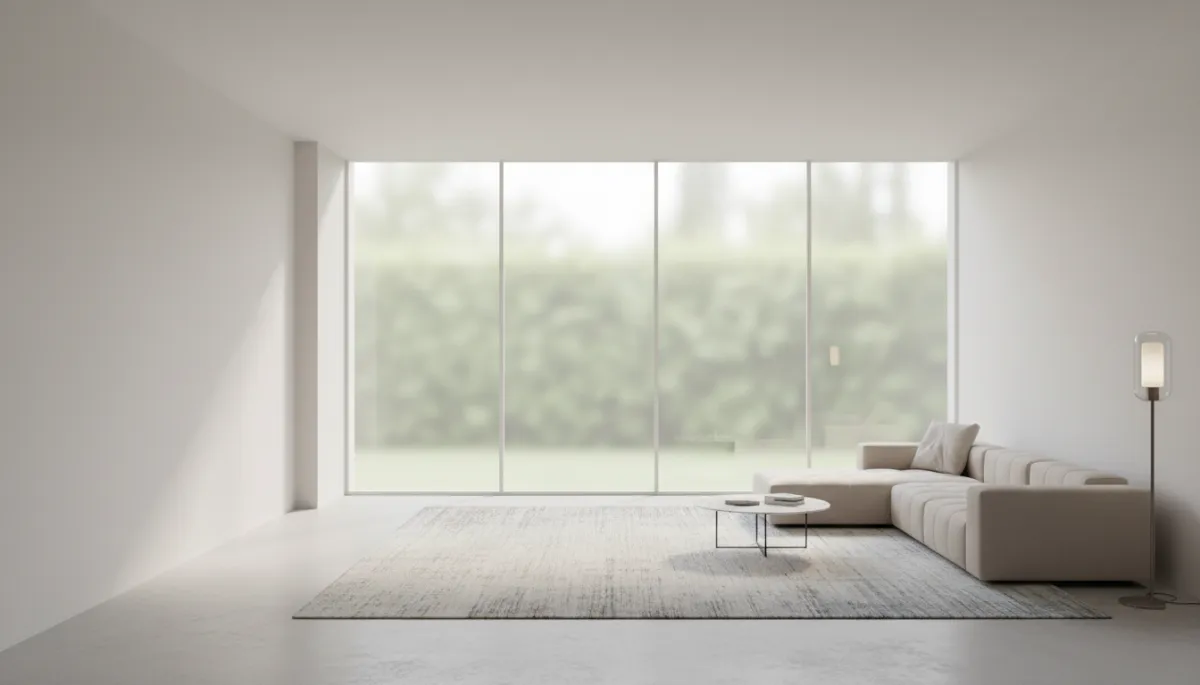
A clean, well-kept interior makes it easier to sell, rent, or move in quickly.
Decide: Sell, Rent, or Hold for Personal Use
Once the house is safe and stable, you can focus on the bigger question: What’s the best long-term plan? The right answer depends on your finances, location, and personal goals.
Sell the property: If the home no longer fits your life, selling can free up equity, eliminate ongoing costs, and simplify your responsibilities. This is often the best option if the house needs major repairs you’re not prepared to tackle, or if it’s in a market where values are strong and demand is high.
Rent it out: Turning an empty house into a long-term rental or a furnished short-term rental can create steady income and help cover taxes, insurance, and maintenance. You’ll need to factor in landlord responsibilities, local regulations, and the cost of repairs or upgrades to make it attractive to tenants.
Keep it for personal or family use: Maybe the house will become a retirement home, a place for adult children, or a seasonal getaway. In that case, consider limited interim use—such as occasional family stays or house-sitting so the property doesn’t sit completely idle for years.
Run the Numbers Before You Commit
Whatever you choose to do with an empty house, back your decision with clear math. List out all carrying costs mortgage payments, property taxes, insurance, utilities, lawn care, repairs and compare them to potential rental income or estimated sale proceeds. Don’t forget transaction costs like agent commissions, closing fees, or renovation budgets if the property needs updating to compete in today’s market.
📌 Key Takeaway: An empty house is rarely “free.” Treat it like a small business decision, not just an emotional one.
Final Thoughts: From Idle Property to Intentional Plan
A house that’s been sitting empty doesn’t have to stay that way or quietly drain your budget. By checking its condition, securing and maintaining it, and carefully weighing whether to sell, rent, or keep it for future use, you can turn an uncertain situation into a clear, confident plan. The key is to be proactive: the sooner you take action, the easier it is to protect the home’s value and make it work for you instead of against you.


