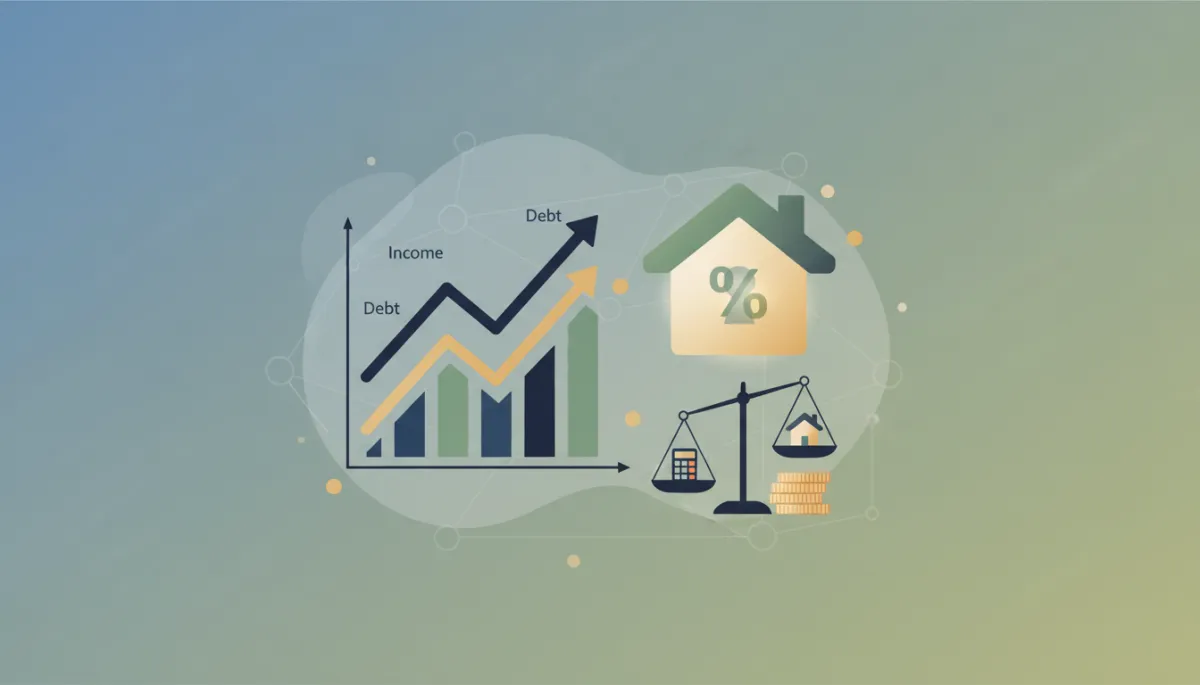
How Debt-to-Income Ratio Impacts Home Buying
Home Buying, Debt-to-Income Ratio
How Does Debt-to-Income Ratio Affect Buying a Home?
Understanding your debt-to-income ratio can be the difference between a smooth mortgage approval and a frustrating denial. Here’s how this simple percentage influences your ability to buy a home and what you can do about it.
What Is Debt-to-Income Ratio, Exactly?
Your debt-to-income ratio (DTI) compares how much you owe each month to how much you earn. Lenders use it as a quick snapshot of your ability to manage monthly payments and take on new debt, like a mortgage. In simple terms, it answers the question: Can you realistically afford this home payment on top of everything else?
DTI is usually expressed as a percentage. The higher the percentage, the more of your income is already spoken for by existing obligations such as credit cards, car loans, student loans, or personal loans. Lenders prefer lower DTIs because they suggest you have more breathing room in your budget and are less likely to fall behind on payments if something unexpected happens.
How Lenders Calculate Your DTI
To calculate DTI, lenders add up your monthly debt payments and divide that total by your gross monthly income (the amount you earn before taxes and deductions). The result is multiplied by 100 to get a percentage.
Included debts: minimum credit card payments, auto loans, student loans, personal loans, child support or alimony, and your projected mortgage payment (including taxes, insurance, and sometimes homeowners association fees).
Not usually included: everyday expenses like groceries, utilities, streaming services, or gas for your car.
For example, if your total monthly debts are $1,800 and your gross monthly income is $5,000, your DTI is 36%. This number helps lenders quickly gauge whether a new mortgage payment will be comfortable or potentially overwhelming for you.
How DTI Affects Mortgage Approval
When you apply for a home loan, your DTI is a core part of the lender’s decision. Even with a solid credit score and decent savings, a high DTI can raise red flags. Lenders want reassurance that your income comfortably covers your existing debts plus a new mortgage payment, without pushing your budget to the breaking point.
Lower DTI (often under 36%): Typically viewed as strong. You are more likely to receive approval and may qualify for better interest rates and more loan options.
Moderate DTI (around 36%–43%): Often acceptable, especially if you have good credit, a stable job history, and some savings. Lenders may still approve you but look more closely at the rest of your financial profile.
High DTI (above 43%–45%): Frequently considered risky. Some loan programs may be off the table, and approval becomes more difficult unless there are strong compensating factors.
Different mortgage types have different DTI guidelines, but the theme is consistent: the more room you have between your income and your debts, the more comfortable lenders feel about lending you money for a home.
How DTI Influences How Much House You Can Afford
Your DTI does not just affect whether you get approved—it also shapes how much you can borrow. When lenders plug your numbers into their calculators, they use DTI to estimate the maximum monthly mortgage payment that still keeps you within their comfort zone. That monthly limit then translates into a maximum home price.
If your DTI is already high before adding a mortgage, the lender may approve you only for a smaller loan amount, which can narrow your home search. On the other hand, a lower DTI can open the door to a wider price range and give you more flexibility in competitive markets, all while keeping your budget manageable.

Tracking monthly debts and income helps you see how much home you can comfortably afford.
How Your DTI Can Affect Interest Rates and Loan Options
Even if you are approved, your DTI can still influence the cost of your mortgage. Borrowers with lower DTIs are often rewarded with more favorable interest rates, which can save thousands of dollars over the life of the loan. A lower rate means a lower monthly payment, making your home more affordable long term.
A higher DTI, by contrast, may limit you to certain loan programs or lead to slightly higher rates and stricter conditions. Lenders may require a larger down payment, additional documentation, or proof of extra savings to feel comfortable approving your application. In some cases, they may suggest reducing your existing debts before moving forward.
Practical Ways to Improve Your DTI Before You Buy
If your DTI is higher than you would like, there are steps you can take before you start house hunting. Even small improvements can strengthen your application and expand your options. Consider focusing on:
Paying down revolving credit card balances to reduce minimum monthly payments.
Avoiding new loans or major purchases on credit in the months leading up to your mortgage application.
Exploring whether refinancing or consolidating existing debts could lower your overall monthly payments.
Documenting any additional income sources, such as bonuses, part-time work, or rental income, if they meet your lender’s guidelines.
💡 Pro Tip: Check your DTI several months before you apply for a mortgage. That gives you time to pay down balances, adjust your budget, and enter the home search with a stronger financial profile.
The Bottom Line: Why DTI Matters When Buying a Home
Your debt-to-income ratio is more than just a number on your mortgage application. It is a key indicator of how comfortably you can take on the long-term commitment of homeownership. A healthy DTI can improve your chances of approval, unlock better interest rates, and help ensure your new home fits your budget not just today, but for years to come.
Before you fall in love with a property, take a moment to understand where your DTI stands. With a clear picture of your debts and income, you can shop for homes and mortgages with confidence, knowing you are making a decision that supports both your homeownership dreams and your long-term financial health.
📌 Ready to Talk Strategy in Warren County? Connect with John Meier at Westplex Real Estate for a no‑pressure conversation about selling your home in Warrenton, Truesdale, or Wright City.
📞 (636) 242-5365
🌐JohnMeierSells.com


