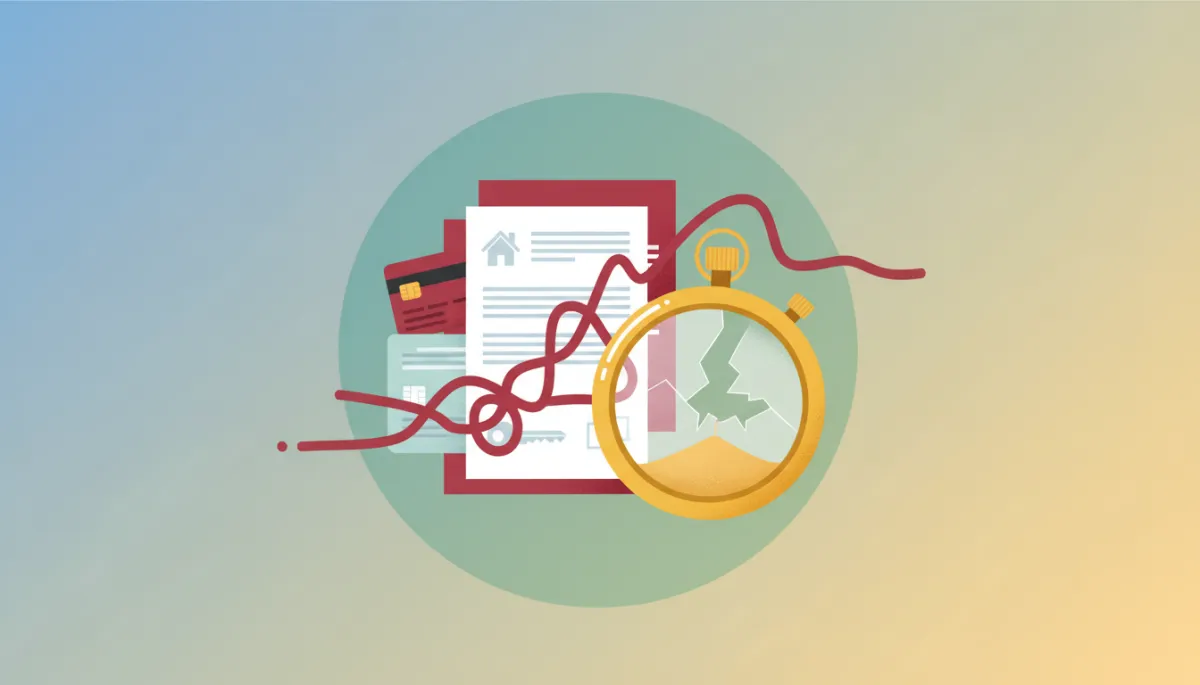
Avoid Credit Mistakes Before Home Closing
Home Buying, Mortgage Tips, Credit Management
What Credit Mistakes Can Delay Closing on Your New Home?
You’ve found the right home, your offer is accepted, and you’re counting down to closing day. Then, suddenly, your lender hits pause. Often, the culprit is a credit mistake made in the final stretch. Understanding what can go wrong with your credit before closing can help you avoid last‑minute surprises and keep your move‑in date on track.
Why Your Credit Still Matters After You’re Pre‑Approved
Many buyers assume that once they receive a pre‑approval, their credit is locked in. In reality, lenders often pull your credit again shortly before closing to confirm that your financial picture hasn’t changed. Any negative shift can trigger extra documentation, a new underwriting review, or even a denial, all of which can delay or derail your closing.
Major Credit Mistakes That Can Delay Closing
1. Opening New Credit Accounts or Store Cards
It’s tempting to open a new credit card for furniture, appliances, or moving expenses, but new accounts can lower your score and change your debt‑to‑income ratio. Lenders may need to recalculate your qualification, request additional proof of income, or put your file back into underwriting, adding days or weeks to the process.
2. Financing Big Purchases Before Closing
Buying a car, financing a vacation, or putting a large balance on a “no interest” store promotion can be just as damaging as opening a new card. These debts increase your monthly obligations, which can push your ratios outside of your lender’s guidelines. In some cases, the loan amount must be reduced or the interest rate adjusted, delaying closing while new disclosures are issued and signed.
3. Missing or Making Late Payments
Even one late payment on a credit card, auto loan, or student loan in the months leading up to closing can cause a noticeable drop in your credit score. Lenders may need explanations, proof that the account is current, or, in severe cases, they may have to re‑price your loan. All of this takes time and can move your closing date back while your file is reassessed.
💡 Pro Tip: Set up automatic payments or reminders for every account as soon as you go under contract so nothing slips through the cracks.
4. Letting Credit Card Balances Climb Too High
You may not open new accounts, but simply running up existing cards for moving costs or deposits can hurt. High utilization (using a large percentage of your available credit) is a major factor in credit scoring. If your balances spike, your score can dip enough to affect your rate or eligibility, forcing your lender to pause while they re‑evaluate your loan terms.
5. Disputing Items on Your Credit Report Mid‑Process
Finding an error on your credit report is frustrating, but launching a dispute while you’re in underwriting can complicate things. Disputed accounts may be excluded from your score or appear as “in review,” and many lenders require disputes to be resolved or removed before closing. That can take weeks, easily pushing your closing date back or forcing an extension to your purchase contract.
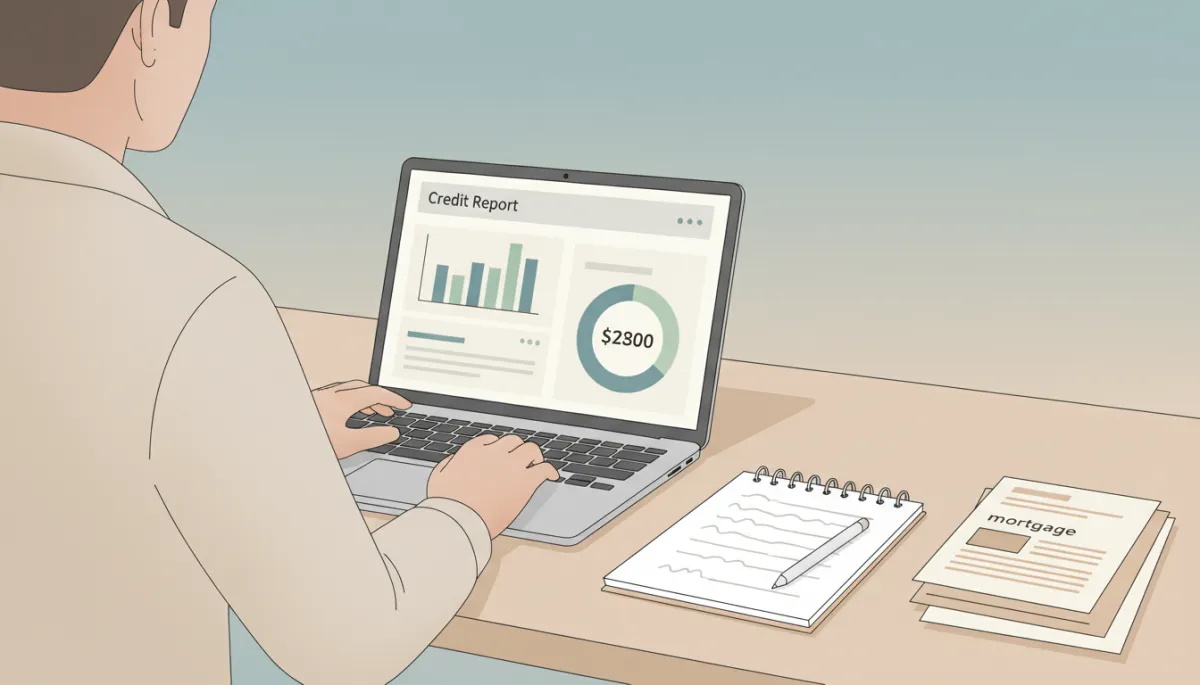
Reviewing your credit report early helps you fix issues long before closing.
6. Co‑Signing for Someone Else’s Loan
Co‑signing may feel like you’re just helping a friend or family member, but to your lender, that new obligation is your debt too. The payment will likely be counted against your qualifying ratios, and if the other person pays late, your credit can suffer. This can trigger extra verification and new calculations that stall your closing timeline.
7. Ignoring Collection Notices or Legal Judgments
Old collection accounts, tax liens, or court judgments that surface late in the process can be serious roadblocks. Lenders may require that these debts be paid, settled, or placed on a documented payment plan before closing. Gathering proof of payment or negotiating with creditors can take time, often resulting in delays while conditions are cleared.
How to Protect Your Credit Until the Keys Are in Your Hand
Avoid opening, closing, or co‑signing for any credit accounts until after closing.
Keep all existing payments on time, every time, without exception.
Maintain low balances on credit cards and avoid large financed purchases.
Talk to your loan officer before making any financial move that could affect your credit or debts.
Final Thoughts: Stay Steady to Avoid Delays
The period between mortgage application and closing is not the time for big financial changes. By avoiding new debt, paying every bill on time, and consulting your lender before you act, you can protect your credit profile and keep your closing on schedule. Treat your credit like a fragile part of your home purchase handle it carefully, and you’ll be far more likely to walk into your new front door right on time.


