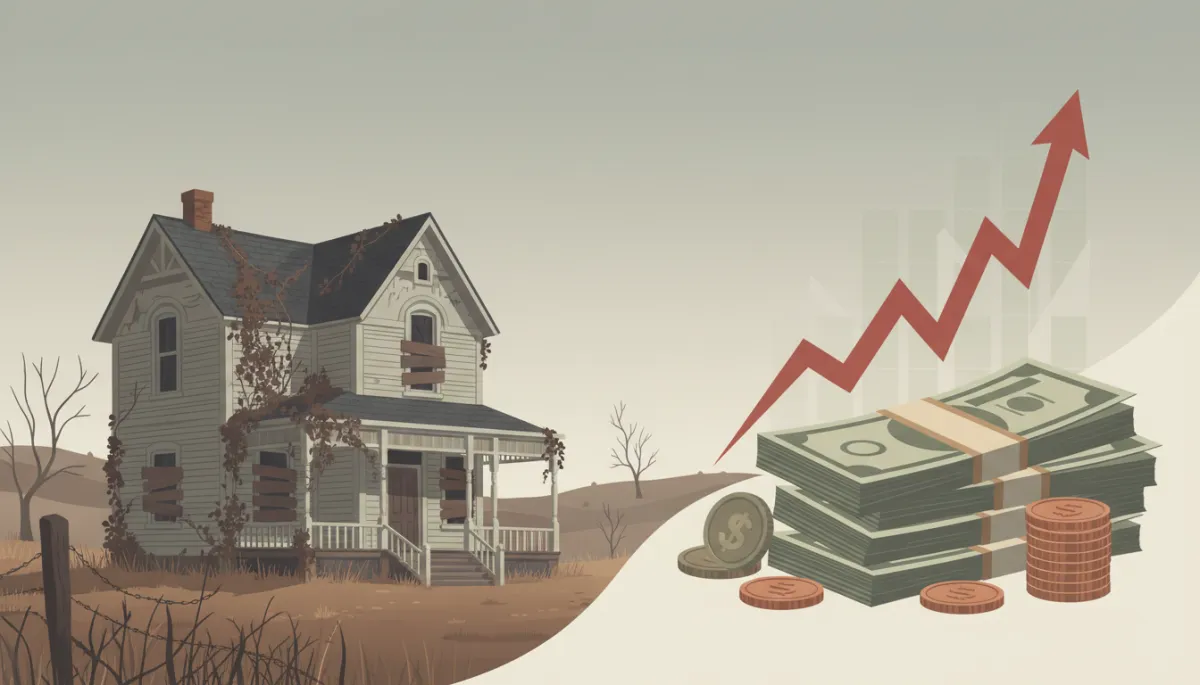
Costs of Owning a Vacant House in Missouri
Real Estate, Home Ownership, Missouri
Owning a Vacant House in Missouri? The Costs Can Add Up
Leaving a house empty might seem harmless, but in Missouri, a vacant property can quietly drain your wallet month after month. From taxes and insurance to hidden maintenance and legal risks, the true cost of an unused home often surprises owners.
What It Really Means to Own a Vacant House in Missouri
Many Missouri homeowners end up with a vacant property after inheriting a family home, moving for work, or transitioning into a new house before the old one sells. On the surface, holding onto it can feel like a safe, patient decision—especially if the market feels uncertain or you are emotionally attached to the home. But a house that sits empty is not neutral; it is an asset that keeps costing you money even when nobody lives there.
In Missouri, local property taxes, weather patterns, and neighborhood standards all play a role in how expensive vacancy can become. An empty house still has to be insured, maintained, and monitored. If you are not careful, small issues—like a minor leak or a broken window—can snowball into major repairs simply because no one is there to notice them early.
💡 Pro Tip: Treat a vacant house like a small business: track every monthly cost so you can clearly see whether it is helping or hurting your finances.
The Hidden Ways Vacant House Costs Can Add Up
When you add everything together, the cost of owning a vacant Missouri house often rivals, or even exceeds, the cost of living in it. Here are some of the biggest expenses owners tend to underestimate or overlook altogether.
1. Property Taxes That Never Take a Break
Whether your house is occupied or empty, Missouri counties still expect their share. Property taxes are due every year, and if you own a vacant home on top of your primary residence, you are effectively paying taxes on two properties. Falling behind can lead to penalties, interest, and in extreme cases, tax liens and auctions. For owners who inherited a house without planning for the extra tax bill, this can quickly become overwhelming.
2. Insurance Premiums and Vacancy Clauses
Standard homeowners insurance policies are designed for occupied homes. Once a property is vacant for a certain period—often 30 to 60 days—your policy may limit coverage or even become void unless you notify your insurer and switch to a vacant property policy. These specialized policies typically cost more because vacant homes face higher risks of vandalism, theft, and undetected damage. Paying a higher premium for a house nobody uses can feel especially frustrating, but going uninsured is far riskier.
3. Utilities, Maintenance, and Seasonal Upkeep
Even if no one is living in the house, you cannot simply shut everything off. In Missouri’s hot summers and cold winters, you may need minimal heating or cooling to prevent damage. Pipes can freeze, humidity can cause mold, and extreme heat can warp materials. You will also need to keep the lights on occasionally for safety and to make the home look less obviously empty. Then there is lawn care, snow removal, gutter cleaning, and basic repairs tasks that quickly add up if you are paying a contractor or property manager to handle them for you.
4. Security Risks and Potential Damage
A vacant house can attract the wrong kind of attention. Empty properties are more vulnerable to break-ins, vandalism, and even unauthorized occupants. Something as simple as an overflowing mailbox, overgrown yard, or dark windows can signal to others that the home is unoccupied. Beyond crime, there is also the risk of unnoticed damage: a slow roof leak, a fallen tree limb, or a small plumbing issue can go days or weeks without being discovered, turning a minor repair into a major restoration project.
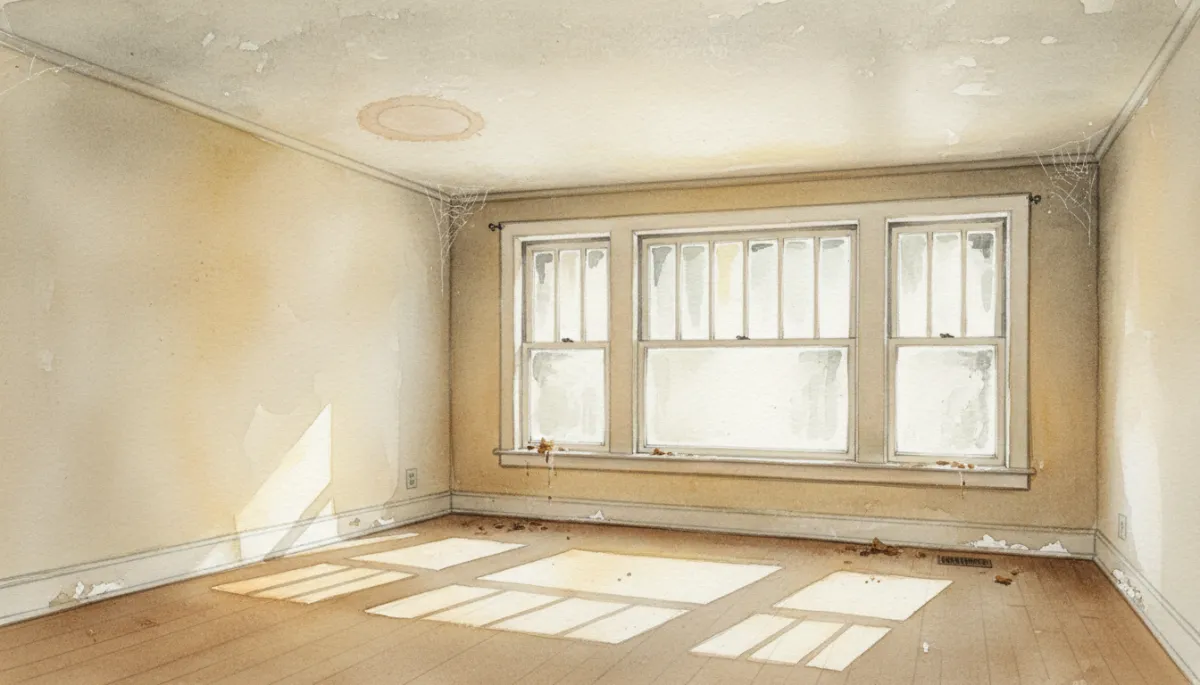
Small, unnoticed issues in a vacant home can turn into costly repairs over time.
5. Opportunity Cost: What Else Could That Money Be Doing?
Perhaps the most overlooked cost of owning a vacant house in Missouri is the money you are not making. Every month you hold onto an empty property, you are tying up equity that could be used to pay off debt, invest, or improve your current home. If the house is not generating rental income and the market is stable, you may be losing ground financially without realizing it. When you factor in taxes, insurance, and maintenance, the total annual cost can easily reach thousands of dollars.
Weighing Your Options: Keep, Rent, or Sell?
If you own a vacant house in Missouri, it is worth stepping back and looking at the full picture. Add up your yearly costs taxes, insurance, utilities, lawn care, repairs and compare that total to your long-term plans. Could renting the property offset those expenses? Would selling it free you from ongoing bills and stress? There is no single right answer, but there is a right answer for your situation once you understand the true cost of vacancy.
The key is not to let an empty house quietly chip away at your finances for years. By recognizing how quickly the costs can add up, you can make a clear, confident decision about whether to keep, rent, or sell your vacant Missouri property and finally put that house to work for you instead of against you.


