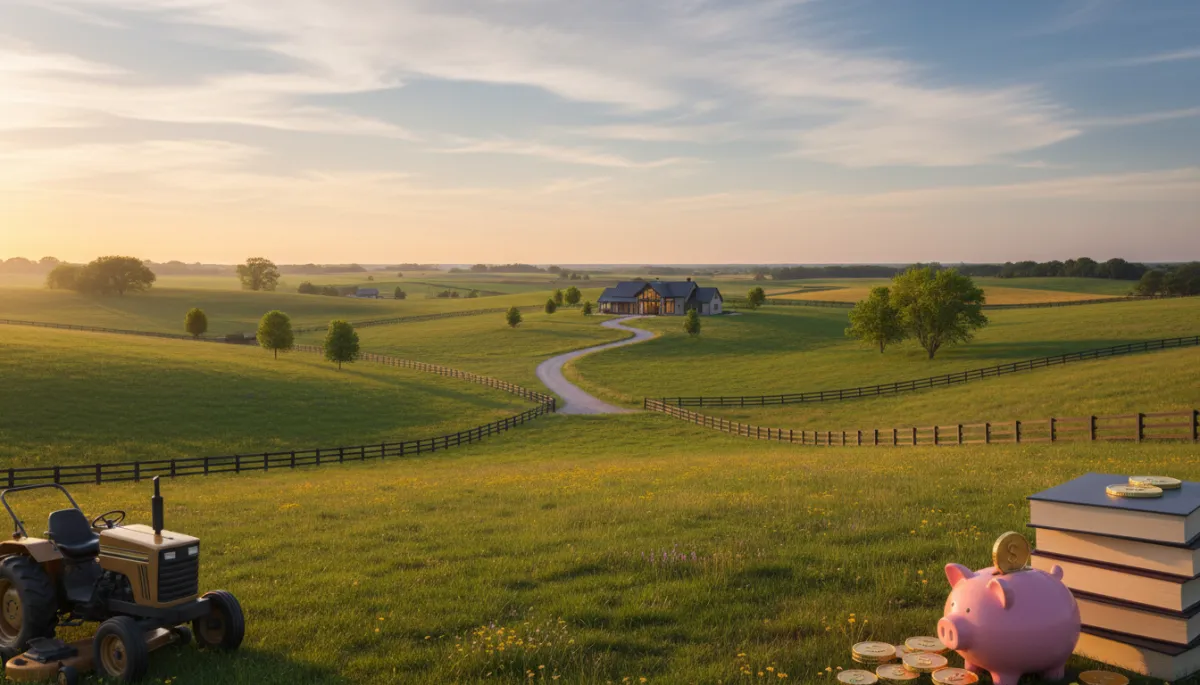
Cost of Maintaining Acreage: A Homeowner's Guide
Homeownership, Land Management
How Much Does It Cost to Maintain Acreage?
Owning several acres of land can be a dream come true, but it also comes with ongoing costs. Understanding how much it really costs to maintain acreage will help you budget realistically and avoid expensive surprises.
The Big Picture: Typical Annual Cost Range Per Acre
The cost to maintain acreage varies widely based on how you use the land, your climate, and how much work you do yourself. As a broad guideline:
Lightly managed rural land: approximately $50–$250 per acre per year
Residential acreage with lawns, driveways, and landscaping: often $300–$1,000+ per acre per year
These ranges include routine mowing, basic equipment, occasional tree work, and minor repairs, but not major projects like building barns or installing fencing. The more manicured and developed your property, the higher your annual costs are likely to be.
Mowing and Vegetation Control Costs
For most acreage owners, mowing is the single most visible and time-consuming task. If you hire a contractor, expect to pay roughly $50–$100 per acre per cut for open fields, and more for detailed residential lawns. In growing season, that might mean 10–20 cuts a year, quickly adding up to hundreds or even thousands of dollars annually.
Doing it yourself can be cheaper over time, but you’ll need equipment. A basic lawn tractor may cost $2,000–$4,000, while a compact tractor with a brush hog attachment can easily reach $15,000–$30,000. Spread over several years, that might equal a few hundred dollars per year in depreciation, plus fuel, oil, blades, and maintenance.
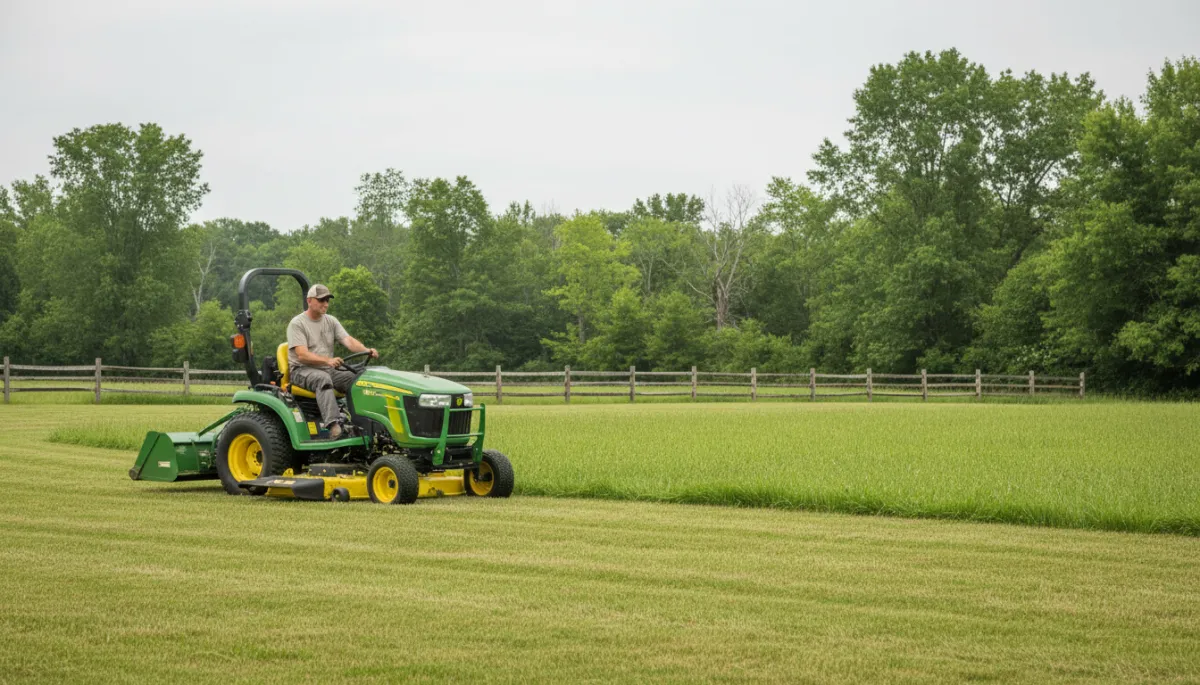
The choice between hiring mowing services and owning equipment shapes most acreage maintenance budgets.
Equipment, Fuel, and Repair Expenses
Beyond the purchase price, plan for ongoing equipment costs. Fuel for tractors, mowers, and utility vehicles might run $200–$800 per year for a modest property, more if you mow frequently or manage rough terrain. Routine maintenance oil changes, filters, belts, blades, and tires can add another $200–$600 per year, depending on how heavily you use your machines.
It’s also wise to budget for unexpected repairs. A single hydraulic hose, spindle, or tire replacement can cost a few hundred dollars. Setting aside a small annual “equipment reserve” of $300–$500 can soften the blow when something inevitably breaks mid-season.
Trees, Driveways, and Drainage: Hidden but Real Costs
Acreage often includes long driveways, wooded areas, and low spots that need attention. Gravel driveways require periodic grading and fresh stone, which might cost $300–$1,000 every few years, depending on length and climate. Culverts and drainage ditches may need cleaning or replacement to prevent washouts and standing water near your home or outbuildings.
Trees can be another significant line item. Routine pruning may be manageable yourself, but removing a large dead tree near a house, fence, or power line can easily cost $500–$1,500 or more. Spreading those occasional big-ticket jobs across several years, many owners find tree and driveway care adds another $100–$300 per acre per year on average, especially in storm-prone regions.
Property Taxes, Insurance, and Professional Help
While not “maintenance” in the mowing sense, property taxes and insurance are part of the cost of owning acreage. Tax rates vary dramatically by location, but more land generally means a higher bill, unless your acreage qualifies for agricultural or conservation programs that lower the assessed value. Insurance may also increase if you add barns, animals, or rental units on the property.
Many owners also hire professionals for specialized tasks—surveyors, landscapers, foresters, or pasture management experts. Even if used occasionally, those services can add several hundred dollars a year, but they often prevent costly mistakes, such as poor grading or unhealthy tree thinning.
How to Plan a Realistic Acreage Maintenance Budget
To estimate your own costs, start by listing every recurring task your property requires: mowing, trimming, snow removal, driveway upkeep, weed control, and tree care. Decide which jobs you’ll handle personally and which you’ll outsource, then gather a few local quotes. Add in equipment payments or savings, fuel, a repair reserve, and a cushion for occasional big projects.
When you total those numbers, you’ll likely find that maintaining acreage costs more than a typical suburban yard but it also gives you privacy, space, and long-term flexibility. With a thoughtful budget and realistic expectations, you can enjoy your land without feeling overwhelmed by the ongoing expenses that come with it.
📌 Ready to Talk Strategy in Warren County?
John Meier is a real estate agent in Warrenton, MO (63383) helping sellers in Warrenton, Truesdale, and Wright City.
Westplex Real Estate
📞 (636) 242-5365
🌐 JohnMeierSells.com


