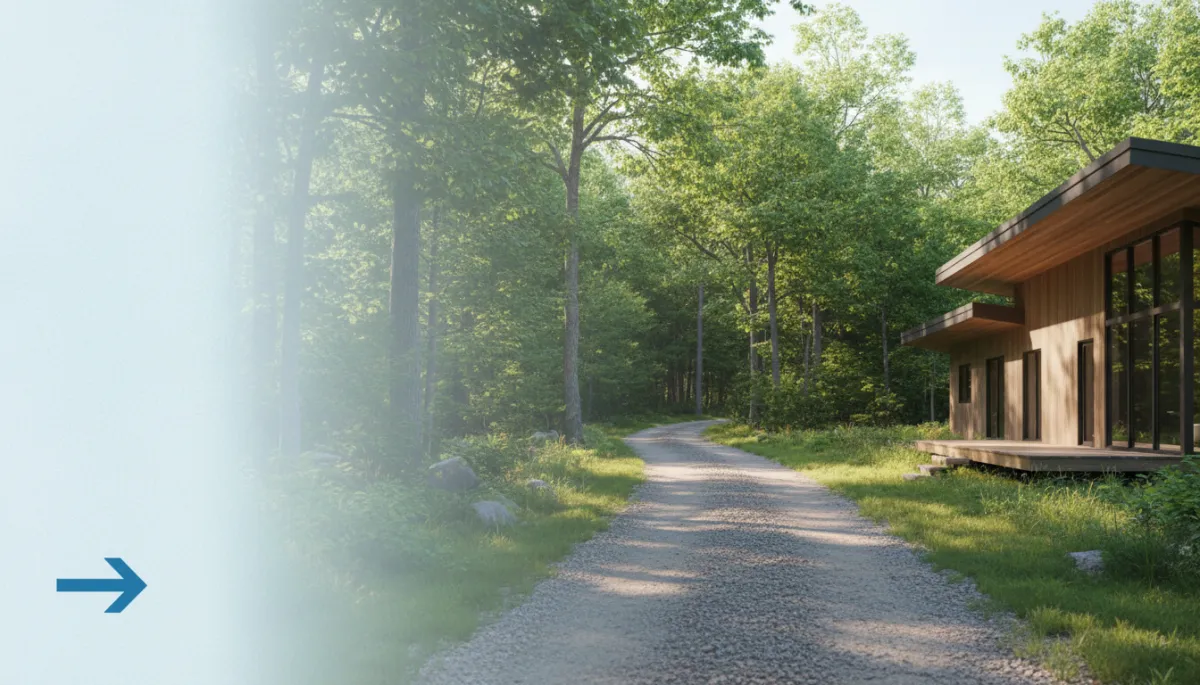
Buying a Home on a Private Road: Key Insights
Real Estate, Home Buying, Private Roads
What Should You Know About Buying a Home on a Private Road?
A home on a quiet, private road can feel exclusive and peaceful, but it also comes with unique responsibilities, costs, and risks that buyers need to understand before signing a contract.
What Is a Private Road, Exactly?
A private road is a road that is not owned or maintained by a city, county, or state. Instead, ownership and responsibility usually fall to:
A homeowners association (HOA) or road association
A group of neighboring property owners jointly
An individual owner who grants others access via easements
That difference matters because it changes who pays for snow removal, pothole repair, resurfacing, drainage, and even signage. When you buy on a private road, you are likely taking on a share of those obligations.
Access, Easements, and Legal Rights to Use the Road
Before you fall in love with the property, you need to confirm that you have a legal right to use the road. This usually takes the form of a recorded easement or a shared road agreement attached to your deed and the deeds of neighboring properties.
Ask your real estate agent and closing attorney or title company to:
Confirm that the easement or road agreement is recorded in public records
Verify that it allows access for you, your guests, deliveries, and emergency services
Check whether any neighbor has the right to gate or restrict the road
📌 Key Takeaway: Verbal assurances from a seller or neighbor are not enough. You need written, recorded rights to access the road now and in the future.
Who Maintains the Road and Who Pays for It?
Public roads are maintained by local government. On a private road, maintenance is typically shared by the property owners who use it. That can mean:
Regular dues paid to an HOA or road association for ongoing upkeep
Occasional special assessments for big projects like resurfacing or drainage work
Informal arrangements where neighbors “chip in” when something breaks
Request copies of any road maintenance agreements, HOA documents, budgets, and meeting minutes. These will tell you how well the road has been cared for, whether the reserve funds are adequate, and if there have been disputes about money or responsibilities.
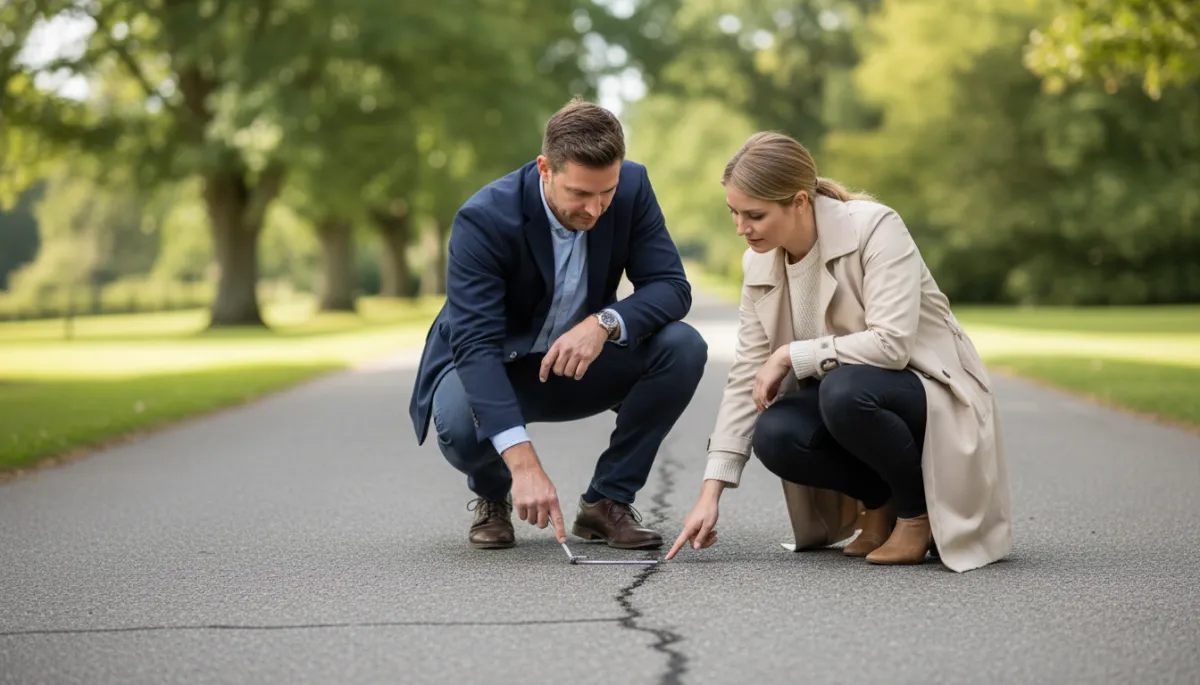
Regular inspections and a clear cost-sharing plan can prevent surprise repair bills.
Emergency Services and Public Utility Access
Another key question is whether emergency vehicles and service providers can easily access your home. Some narrow or poorly maintained private roads can be difficult for fire trucks, ambulances, or delivery trucks to navigate especially in winter weather or heavy rain.
It’s wise to:
Ask the local fire department if the road is accessible for their equipment
Confirm that trash pickup, mail, and package delivery services use the road
Check whether utilities (water, sewer, power) have recorded easements to access lines
💡 Pro Tip: Visit the property at night and in bad weather if possible. Poor lighting, steep grades, or flooding issues are easier to spot in real conditions than on paper.
Financing, Insurance, and Resale Considerations
Lenders and insurers sometimes look more closely at homes on private roads. A poorly documented road agreement, unresolved disputes, or a road in obvious disrepair can make a bank hesitant to approve a mortgage or may trigger additional conditions before closing.
From a resale standpoint, some buyers will see a private road as a plus quieter, less traffic, more privacy. Others may be wary of extra costs or legal complexity. Understanding the road’s condition, governance, and financial health now helps you price and market the home effectively when it is your turn to sell.
Is a Home on a Private Road Right for You?
Buying a home on a private road is not automatically risky, but it does require more due diligence. Review the legal documents, understand how maintenance is handled, and think carefully about access, costs, and future resale. With the right information and the help of a knowledgeable real estate professional and closing attorney you can enjoy the benefits of a private setting without being surprised by the responsibilities that come with it.


