Buying a Home with an Older HVAC System
Home Buying, HVAC, Real Estate Decisions
Should You Buy a House With an Older HVAC System?
An aging heating and cooling system doesn’t have to be a deal-breaker, but it should never be an afterthought. Here’s how to decide whether buying a home with an older HVAC system is a smart move or an expensive mistake in disguise.
How Old Is “Old” for an HVAC System?
Not every older system is an immediate problem. Most central air conditioners and heat pumps last about 10–15 years, while furnaces can often run 15–20 years or more with proper maintenance. Once a system is near or past these ranges, it’s considered “near end of life” from a home-buying perspective, even if it’s still running today.
Age matters because older equipment is usually less efficient, more prone to breakdowns, and harder to find parts for. That doesn’t mean you should automatically walk away, but you should factor its remaining life and likely replacement timeline into your offer and budget.
Pros of Buying a House With an Older HVAC System
Surprisingly, there can be advantages to taking on a home with aging equipment, especially if you go in with open eyes and a clear plan.
Negotiation leverage: A documented older system can give you room to ask for a lower purchase price, seller credits, or a replacement before closing.
Chance to upgrade on your terms: Instead of inheriting a brand-new but basic system, you might choose a more efficient or smart-compatible model when you replace it.
Potential incentives: In some areas, upgrading old HVAC equipment qualifies for rebates, tax credits, or utility incentives, which can soften the cost of replacement.
💡 Pro Tip: Ask your agent to use the system’s age and condition as a bargaining chip, even if it’s still working. A realistic replacement estimate can translate directly into savings at the closing table.
The Risks and Hidden Costs You Need to Consider
The biggest downside of an older HVAC system isn’t just that it might fail; it’s when it fails and what that means for your budget and comfort. A breakdown in the middle of a heatwave or cold snap can be both stressful and expensive, especially if you’ve just stretched your finances to buy the home.
Higher energy bills: Older units often have much lower efficiency ratings than modern models, which can show up as noticeably higher monthly utility costs.
Frequent repairs: Even relatively small repair bills add up quickly if they happen multiple times a year, and some parts may be discontinued.
Comfort issues: Aging systems may struggle to keep temperatures consistent, leaving some rooms too hot, others too cold, and humidity poorly controlled.
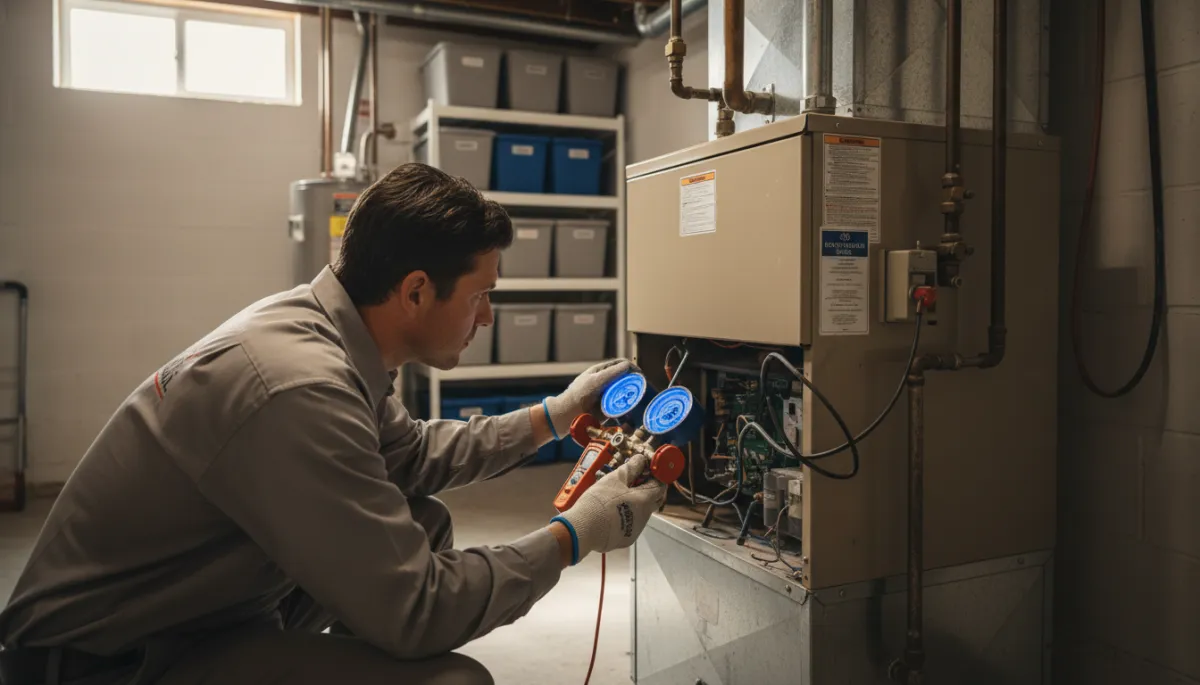
A detailed HVAC inspection can turn an unknown risk into a clear, negotiable cost.
What to Ask and Check Before You Decide
Before committing to a home with older HVAC equipment, gather as much information as possible. The goal is not perfection, but clarity about risk versus reward.
Age and model numbers: Have your inspector or an HVAC pro confirm the age, brand, and model, then compare with typical life-span ranges.
Maintenance history: Ask for service records, filter change schedules, and any major repairs or upgrades that have been done.
Current performance: Does the system start smoothly? Are there unusual noises, odors, or hot and cold spots in the home during the showing?
Replacement estimate: Get a rough quote for replacement from a local HVAC company so you know what you’d be facing within the next few years.
📌 Key Takeaway: An older HVAC system isn’t automatically a reason to walk away, but it is a reason to slow down, ask more questions, and sharpen your pencil on the numbers.
When It Makes Sense to Move Forward
Buying a house with an older HVAC system can make sense if the overall value of the home outweighs the looming cost of replacement and you plan accordingly. If you can secure a price reduction or seller credit that covers a large portion of a new system, you may end up with a more efficient, comfortable home than if you’d bought a similar property with a slightly newer but still mediocre system.
However, if the system is very old, poorly maintained, and the seller is unwilling to negotiate, you should consider whether the home still fits your financial comfort zone. In that case, walking away might be the wiser choice, especially if you’re already stretching your budget.
Final Verdict: Should You Buy That House?
You can buy a house with an older HVAC system, but you shouldn’t do it blindly. Treat the system’s age and condition as part of the overall financial picture, just like the roof, foundation, or windows. With a thorough inspection, clear replacement estimates, and thoughtful negotiation, an aging HVAC system can be a manageable project rather than a costly surprise.
If the home is otherwise a great fit right neighborhood, layout, and price after adjustments an older HVAC doesn’t have to be a deal-breaker. It just means going in with your eyes open, your questions ready, and a realistic plan for the day that system finally needs to be replaced.


