
Understanding Home Value: Buyer Perception
Real Estate, Home Buying, Pricing Psychology
What Makes a Buyer Feel Like a Home Is Worth the Asking Price?
Buyers rarely fall in love with a price tag; they fall in love with what the home represents. Understanding how they judge “worth” can help sellers price confidently and present a property so it feels truly valuable.
1. The First Impression: Curb Appeal and Entryway
Long before buyers analyze square footage, they react emotionally to what they see from the street. A tidy lawn, fresh mulch, clean windows, and a welcoming front door all signal that a home has been cared for. That sense of care quietly tells buyers, “If the outside looks this good, the inside is probably worth the price.”
The entryway is just as important. A bright, uncluttered foyer with a place to set keys or hang a coat helps buyers imagine daily life. When those first few steps feel calm and intentional, the asking price starts to feel more reasonable, even before they see the rest of the house.
2. Cleanliness, Maintenance, and the “Hidden Costs” Test
Buyers are constantly doing mental math: not just “Can I afford this?” but also “What will I have to fix?” A spotless home with obvious signs of routine maintenance reassures them that expensive surprises are less likely. Clean baseboards, well-kept flooring, a fresh filter in the HVAC return, and neatly labeled electrical panels speak volumes about how the property has been treated over time.
On the flip side, peeling caulk, dripping faucets, or cracked tiles make buyers wonder what else has been neglected. Even small flaws can cause them to mentally discount the property, deciding the asking price is too high because they will need to invest more right away just to feel comfortable.
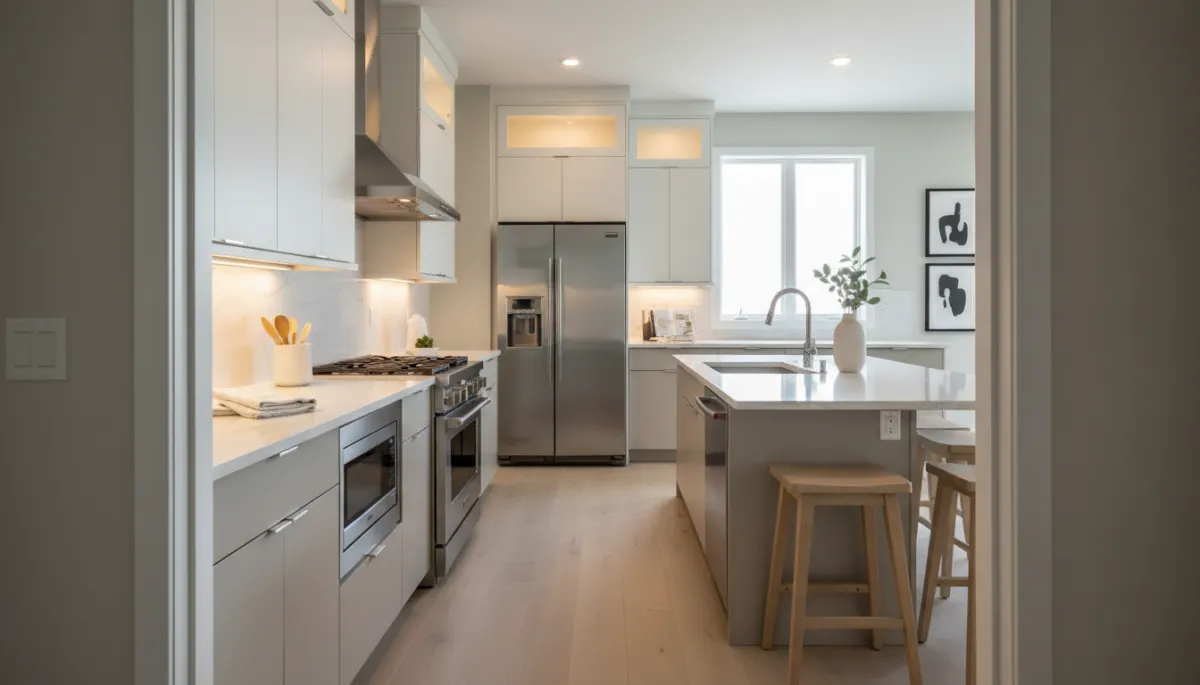
Updated, well-kept kitchens help buyers justify higher prices without hesitation.
3. Modern, Functional Updates in the Right Places
Not every upgrade carries the same weight. Buyers place a premium on kitchens, bathrooms, windows, and major systems like roofs and HVAC. When those elements feel current and functional, the asking price feels more like a reflection of real value than wishful thinking. Neutral finishes, quality hardware, and energy-efficient features all contribute to a sense that the home is “move-in ready.”
Importantly, buyers are not just paying for what they see; they are paying to avoid the stress, time, and cost of doing the work themselves. When they feel they can unpack boxes and live comfortably from day one, the price begins to feel fair even if it stretches their budget slightly.
4. Space, Flow, and How the Home Fits Their Life
Square footage alone doesn’t convince buyers; how that space feels matters more. An open, logical layout where rooms connect naturally makes the home seem larger and more livable. Clear purposes for each area an obvious dining space, a defined work corner, a cozy reading nook help buyers picture their routines fitting effortlessly into the home.
Good natural light, adequate storage, and privacy where it counts (such as the primary bedroom or home office) all contribute to perceived value. When buyers feel that a home solves their daily problems like where to work, entertain, or store seasonal items they are more comfortable with the seller’s number on the listing sheet.
5. Neighborhood, Comparables, and a Sense of “Fairness”
Buyers rarely look at a home in isolation. They compare it to others they have toured, to recent sales in the neighborhood, and to online estimates. A property that is priced in line with similar homes but offers a bit more in condition, layout, or features feels like a good deal. One that is clearly above the pack needs to offer something special to feel justified: a standout view, a larger lot, or truly exceptional finishes.
Location details also influence perceived worth: school ratings, commute times, nearby parks, and walkability all factor into a buyer’s judgment. When the lifestyle benefits match or exceed what they expected at that price point, they are more inclined to say, “Yes, this home is worth it.”
6. Presentation, Story, and Emotional Connection
Finally, how a home is presented both in person and online shapes how its price feels. Thoughtful staging, neutral colors, and uncluttered rooms allow buyers to project their own lives into the space. Clear, honest listing descriptions that highlight upgrades, warranties, and recent work done help them understand why the price is set where it is.
When all of these elements align strong first impressions, visible maintenance, smart updates, a livable layout, and a fair comparison to other homes buyers do not just accept the asking price. They start to fear losing the home to someone else, which is the strongest signal of all that, in their eyes, it is truly worth what the seller is asking.


