
Can Buyers Change Mind After Offer?
Real Estate, Home Buying
Can a Buyer Change Their Mind After Making an Offer?
Making an offer on a home is a big step, and it is completely normal to wonder if you can walk it back if something does not feel right. The answer is “sometimes” and the details matter. Here is what buyers need to know about changing their mind after submitting an offer.
An Offer Is Serious, but Not Always Final
When you make an offer on a property and the seller accepts it, you usually move into a legally binding contract. That does not mean you are trapped no matter what, but it does mean you cannot simply change your mind on a whim without potential consequences especially once all conditions are removed and the deal is “firm.”
The key is understanding when you can walk away and why. Your options depend on the timing, the wording of your contract, and the laws where you are buying, so it is always wise to confirm details with your real estate professional or lawyer.
Common Reasons Buyers Change Their Minds
Buyers step back from offers for many different reasons, including:
Inspection surprises: Major structural issues, mold, outdated electrical, or expensive repairs you did not anticipate.
Financing problems: Your mortgage is denied, the appraisal comes in low, or your financial situation changes suddenly.
Life changes: A job relocation falls through, a relationship change, or a shift in family needs.
Cold feet: The purchase simply starts to feel too big, too rushed, or not quite right anymore.
💡 Pro Tip: Try to sort out “cold feet” before you make an offer by being clear on your budget, must‑haves, and deal‑breakers.
How Contract Contingencies Protect You
In many markets, buyers include contingencies (also called conditions) in their offers. These are “escape hatches” that allow you to back out if certain things do not go as planned. Common examples include:
Home inspection contingency: If the inspection reveals serious issues, you can usually renegotiate or walk away without penalty, within a set time frame.
Financing or mortgage contingency: If you cannot secure financing on agreed terms, you may be able to cancel and recover your deposit.
Appraisal contingency: If the property appraises for less than the purchase price, you may have grounds to renegotiate or withdraw.
If you cancel the contract for a valid reason covered by a contingency and within the deadline, you can usually change your mind and get your earnest money back. Miss the deadline or cancel for a reason not protected by the contract, and you could lose that deposit.
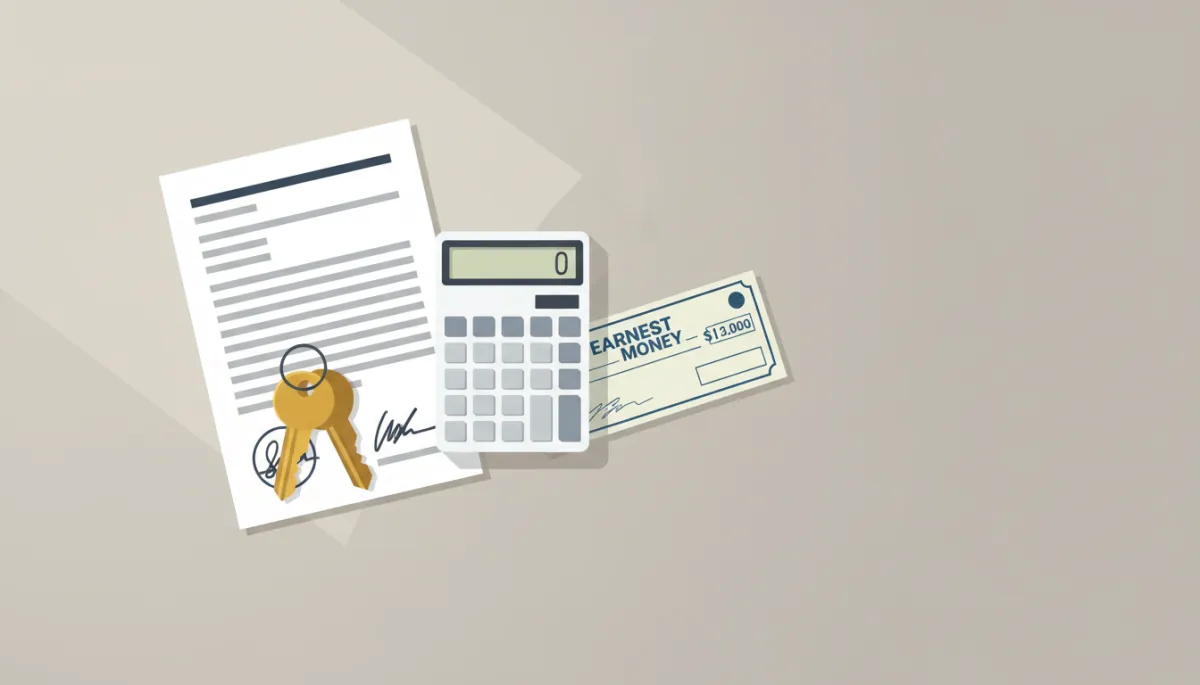
Earnest money shows commitment and may be at risk if you walk away without cause.
What Happens If You Back Out Without a Valid Reason?
If you change your mind after all contingencies are removed or for a reason not covered by your contract you are likely in breach of the agreement. Common consequences include:
Losing your earnest money deposit, which compensates the seller for time off the market and inconvenience.
Potential legal action in some cases, especially if the seller can show they were financially harmed.
⚠️ Warning: Never simply stop responding or disappear if you want to cancel. Put everything in writing and get professional advice first.
Steps to Take If You Are Having Second Thoughts
Review your contract carefully. Note all contingencies, deadlines, and what must happen for you to cancel safely.
Talk to your real estate agent and, if needed, a lawyer. They can explain your options in plain language and outline possible outcomes.
Decide quickly but thoughtfully. Many protections are time‑sensitive. Waiting too long can limit your choices.
The Bottom Line: Yes, But with Conditions
A buyer can change their mind after making an offer, but whether you can walk away cleanly depends on your contract and timing. If you are still within your contingency periods and have a valid reason, you often have a clear path out. Once those protections are gone, backing out can become expensive and stressful.
Before you sign or before you decide to walk away slow down, read the paperwork, and lean on professionals who can guide you. That way, whatever you decide, you will move forward with confidence and fewer surprises.


