Buying a Home with an Unfinished Basement
Home Buying, Unfinished Basements
Should You Buy a Home With an Unfinished Basement?
An unfinished basement can be a hidden opportunity or an expensive project waiting to happen. Understanding the pros, cons, and key questions to ask will help you decide if this kind of property is the right move for you and your budget.
What Is an Unfinished Basement, Really?
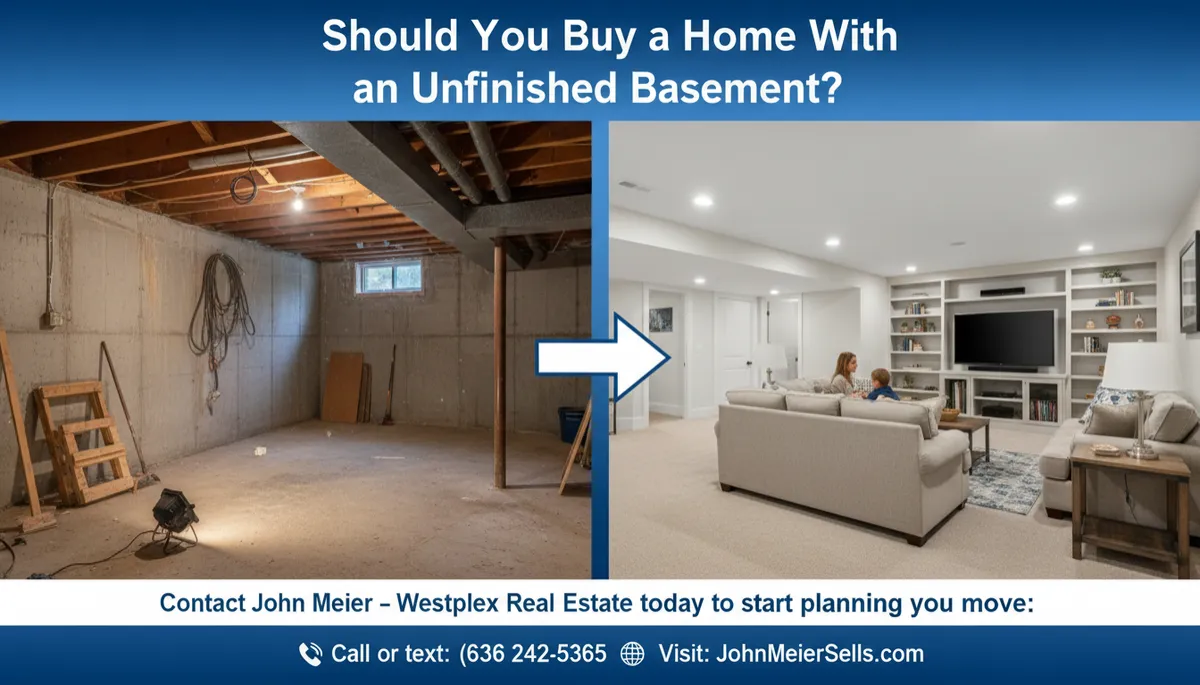
An unfinished basement is typically a lower-level space with concrete floors, exposed joists, visible ductwork, and minimal or no interior walls. It may have basic electrical and plumbing lines in place, but it is not considered livable square footage until it is finished to local building codes. For many buyers, this blank canvas can either feel exciting or overwhelming, depending on their goals and comfort with home projects.
The Biggest Advantages of Buying With an Unfinished Basement
One of the strongest arguments for buying a home with an unfinished basement is flexibility. Instead of paying a premium for someone else’s design choices, you can create the layout that truly fits your life. Think home office, guest suite, rec room, gym, or even a rental-ready space planned on your own timeline and to your preferred finishes and quality level.
Lower upfront purchase price: Homes with unfinished basements often list for less than comparable homes with fully finished lower levels, helping your budget stretch further in today’s market.
Future value potential: Finishing the basement later can add usable space and, when done correctly, boost resale value and appeal to future buyers.
Design control: You decide room sizes, storage solutions, lighting, and finishes instead of inheriting someone else’s dated or impractical layout.
💡 Pro Tip: If you know you will finish the basement within a few years, discuss potential layouts and rough cost ranges with a contractor before you close. This helps you budget realistically and avoid surprises.
Important Drawbacks and Hidden Costs to Consider
The downside of an unfinished basement is that you are essentially buying a project. Even if you do not plan to finish it immediately, you should understand what it might cost and what challenges could arise. Finishing a basement can range from a modest investment to a major renovation, depending on the size of the space, the condition of the foundation, and the level of finish you want.
Moisture and drainage issues: Basements are naturally prone to humidity and water intrusion. Any signs of dampness, staining, or musty smells should be taken seriously and evaluated by a professional before you move forward.
Code and safety requirements: Adding bedrooms or living spaces may require egress windows, additional electrical work, or upgraded HVAC, all of which add to the total cost.
Time and disruption: Even with a great contractor, finishing a basement means noise, dust, and parts of your home being off-limits for weeks or months.
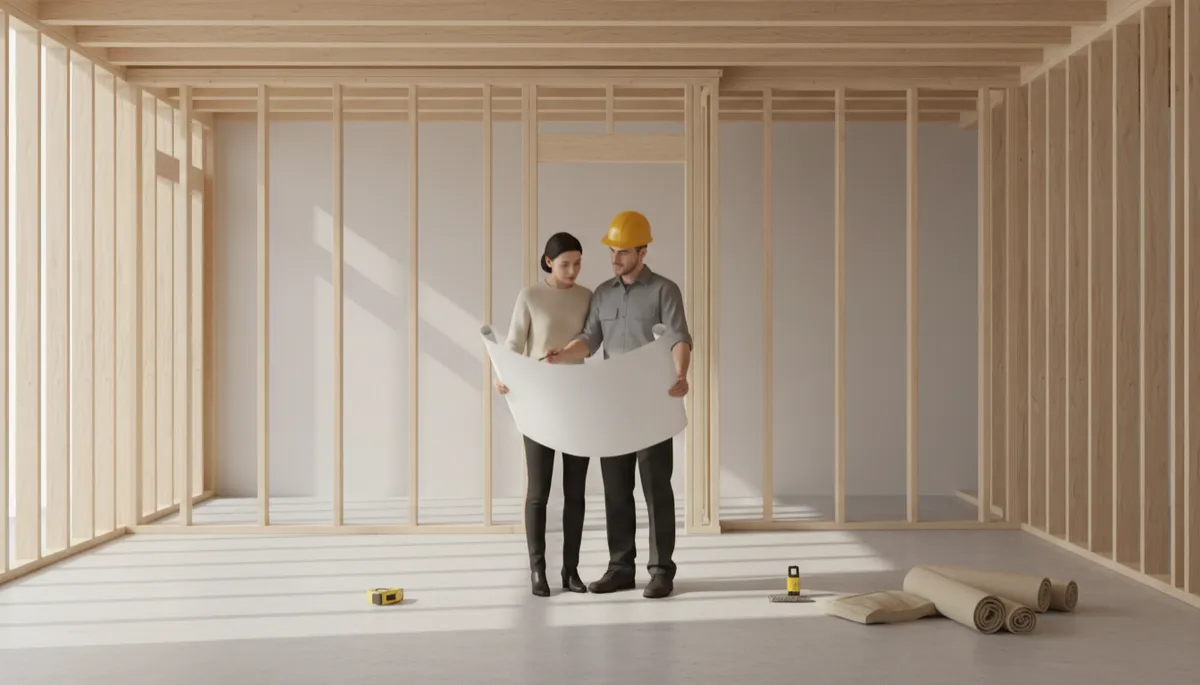
Early planning with a contractor helps align your basement vision with your budget.
How to Decide if an Unfinished Basement Is Right for You
Start by thinking about your lifestyle over the next five to ten years. Do you anticipate needing more bedrooms, a second living area, or dedicated space for hobbies or a home business? If so, an unfinished basement can be a smart way to grow into a home rather than outgrowing it quickly. On the other hand, if you need move-in-ready space right away and have little interest in renovations, a finished basement may be worth the higher purchase price.
It is also essential to weigh your financial comfort level. Get estimates for finishing the basement, consider whether you would tackle anything yourself, and think about how long you plan to stay in the home. A trusted local real estate professional can help you compare homes with finished and unfinished basements, estimate potential resale value, and understand what buyers in your area typically look for.
Talk Through Your Options With a Local Expert
Ultimately, the decision to buy a home with an unfinished basement comes down to your priorities: flexibility and future potential versus immediate convenience. With the right guidance, it can be an excellent way to get into the neighborhood and floor plan you want, while keeping room to customize later. A knowledgeable agent who understands local construction trends, buyer expectations, and resale patterns can make a big difference in how confident you feel about your choice.
If you are weighing homes with and without finished basements, do not make the decision alone. Review inspection reports carefully, ask targeted questions about water management and past repairs, and compare the total cost of ownership not just the list price.
Ready to Explore Homes With (or Without) Unfinished Basements?
Whether an unfinished basement is a smart buy for you depends on your goals, your budget, and the specific property you are considering. Having an experienced guide by your side makes it easier to spot red flags, recognize true potential, and negotiate with confidence.
Contact John Meier – Westplex Real Estate today to start planning your move:
📞 Call or text: (636) 242-5365
🌐 Visit: JohnMeierSells.com


