
Understanding Your Builder Warranty: A Homeowner's Guide
Home Building, Builder Warranty
What’s Included in a Builder Warranty? A Clear Guide for New Homeowners
Moving into a brand-new home is exciting, but it also comes with questions especially about what happens if something goes wrong. A builder warranty is designed to give you peace of mind, yet many homeowners aren’t sure what it actually covers. This guide breaks down the essentials so you know exactly what to expect and how to use your warranty if you need it.
What Is a Builder Warranty?
A builder warranty (often called a new home warranty) is a written promise from your builder to repair or replace certain elements of your home if they fail within a specified period of time. It’s not the same as your homeowner’s insurance. Insurance protects you from events like fire, theft, or storms. A builder warranty focuses on how your home was built and how its systems perform during the early years of ownership.
Common Coverage Periods: 1-Year, 2-Year, and 10-Year
While every builder and warranty provider is different, many follow a similar structure, sometimes called a “1–2–10” format:
1-year coverage for workmanship and materials in most visible finishes and components.
2-year coverage for major mechanical systems such as plumbing, electrical, and HVAC.
Up to 10-year coverage for structural components that affect the stability and safety of your home.
💡 Pro Tip: Always confirm the exact coverage periods and start dates in your written warranty, as they can vary by builder and region.
What’s Typically Included in a Builder Warranty?
1. Workmanship and Finishes (Short-Term Coverage)
In the first year, coverage usually focuses on how your home looks and functions on the surface. This may include:
Interior walls and ceilings (cracks beyond normal minor settling)
Doors and windows that don’t latch, lock, or open properly
Trim, cabinetry, and built-ins with significant defects or misalignment
Flooring issues such as loose tiles, lifting boards, or major gaps
Minor cosmetic flaws that don’t affect performance may not be covered, so it’s important to document any concerns early and review the warranty’s standards for what qualifies as a defect.
2. Mechanical Systems (Medium-Term Coverage)
Your builder warranty often provides extended protection for the systems that keep your home comfortable and functional. This can include:
Plumbing: leaks in supply lines, drain issues, or improper installation of fixtures.
Electrical: faulty wiring, dead outlets, or circuit problems caused by installation errors.
HVAC: heating and cooling performance issues tied to how the system was installed, not just equipment failure.
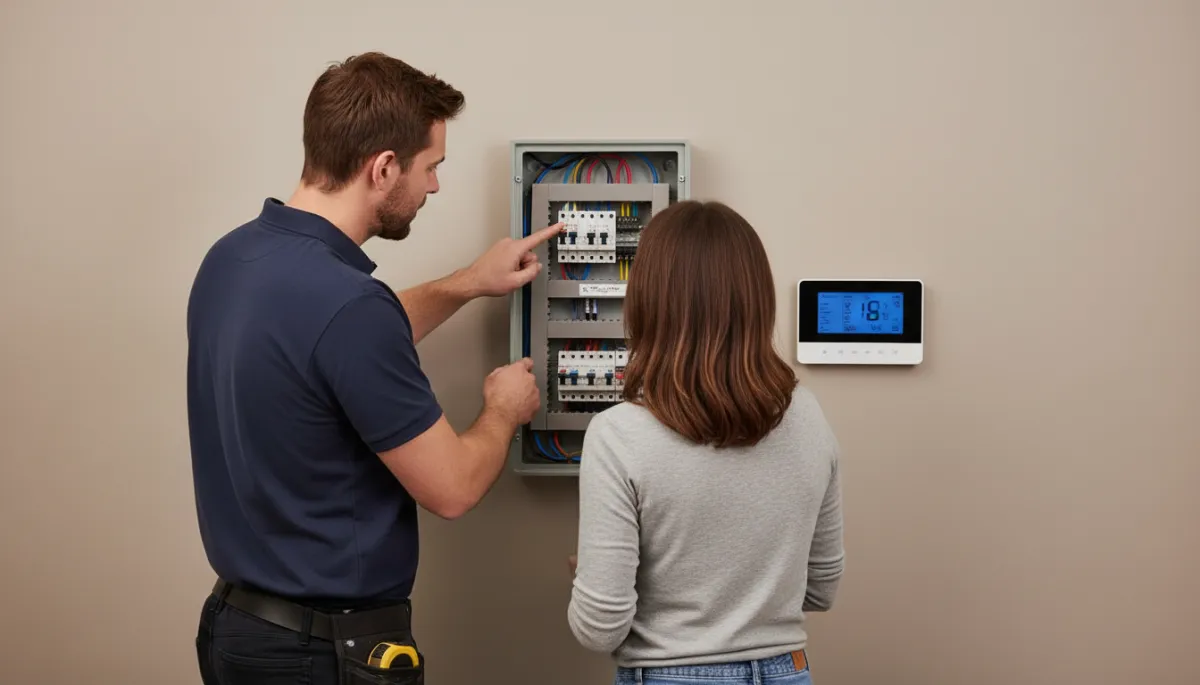
Understanding system coverage now can save time and stress if issues arise later.
3. Structural Components (Long-Term Coverage)
Structural coverage is usually the longest-lasting and most significant part of a builder warranty. It’s designed to protect you from serious issues that affect the home’s stability, such as:
Foundation movement or failure beyond normal settling
Load-bearing walls, beams, or columns that are compromised
Roof framing and other key structural elements that support the home
Structural claims can be complex, so keep all records of your home’s construction, inspections, and any maintenance you perform. This documentation can be invaluable if you ever need to file a claim.
What’s Usually Not Covered?
Just as important as knowing what’s included is understanding what your builder warranty typically excludes. Common exclusions are:
Damage from lack of proper maintenance or neglect
Normal wear and tear, fading, or minor shrinkage cracks from settling
Damage from storms, flooding, or other weather events (usually handled by insurance)
Issues caused by homeowner alterations or work performed by other contractors after move-in
📌 Key Takeaway: Always read the “limitations and exclusions” section carefully. It’s often the most revealing part of your warranty document.
How to Make the Most of Your Builder Warranty
Schedule a detailed walk-through before closing and again near the end of your first year to catch issues while they’re still covered.
Document everything with photos, dates, and written descriptions of any concerns you notice.
Follow the required process for submitting claims, including using the correct forms, email addresses, or online portals listed in your warranty.
Ready to Build? Make Your Warranty Work for You
Understanding what’s included in a builder warranty turns an intimidating stack of paperwork into a powerful protection plan for your new home. When you know your coverage, you can move in with confidence, address issues promptly, and protect the investment you’ve just made.
Before you sign your building contract, ask your builder for a copy of the full warranty, read it line by line, and get clear answers to any questions. If you’d like expert help reviewing your builder warranty or comparing coverage options, reach out to our team today we’re here to make sure your dream home comes with the protection it deserves.
John Meier is a local real estate agent inWarrenton, MO (63383)helping sellers inWarrenton, Truesdale, and Wright Cityprepare their homes to shine for every showing.
Westplex Real Estate
📞(636) 242-5365
🌐JohnMeierSells.com


